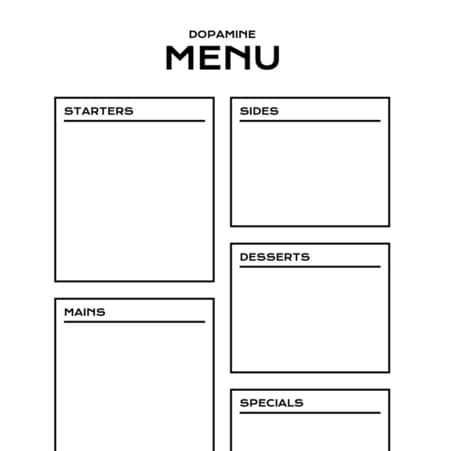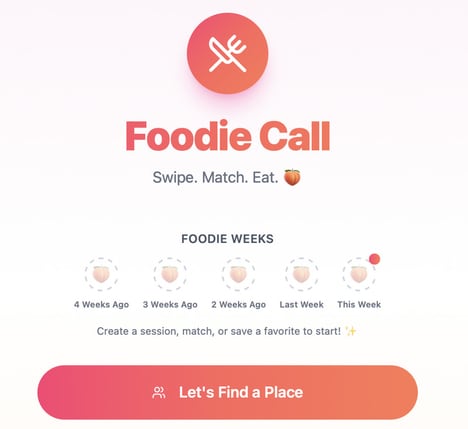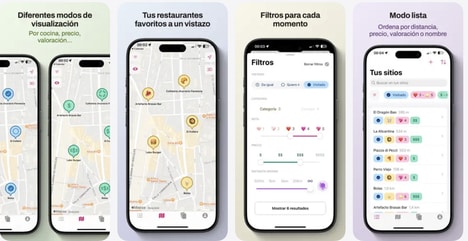
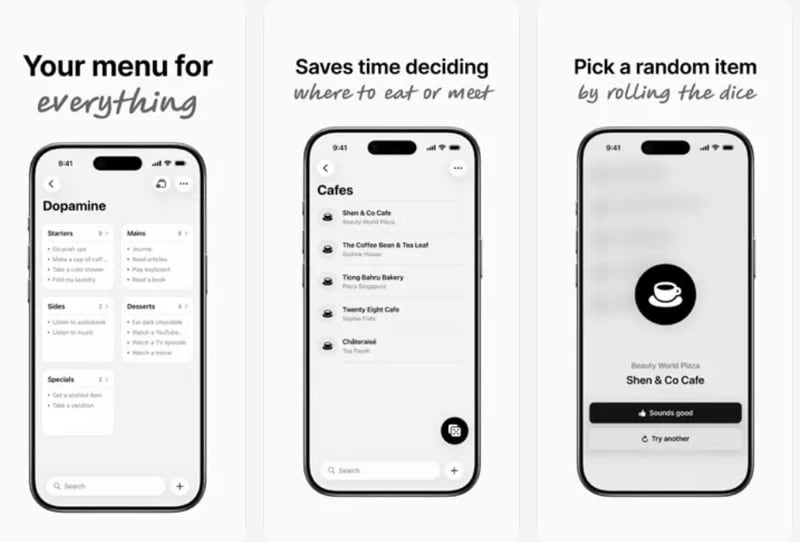
Modern life offers endless options, but too many choices can make everyday decisions harder -- Easlo Menu is a personal organization tool designed to help users quickly decide what to eat, where to meet, what to cook, and what to do without getting overwhelmed. The platform acts as a central place for storing and organizing favorite options, making it easier to revisit trusted choices instead of repeatedly searching through countless alternatives.
By reducing decision fatigue and filtering out unnecessary noise, Easlo Menu helps users make faster, more confident decisions in their daily lives. It creates a personalized menu of preferred options tailored to individual habits and preferences. Easlo Menu turns scattered preferences into an organized decision-making system that saves time and mental energy.
Image Credit: Easlo Menu
What Makes This Trend Stand Out
- Decision-fatigue Relief
- Consumers are gravitating toward tools that narrow everyday choices into trusted shortlists, creating space for adaptive interfaces that reduce cognitive load across food, leisure, shopping, and planning contexts.
- Personal Preference Hubs
- Centralized repositories for favorite places, meals, activities, and products are reshaping digital organization by turning fragmented tastes into reusable data layers for personalized services.
- Curated Everyday Planning
- Routine decision-making is becoming more streamlined through pre-filtered options, revealing potential for platforms that blend habit tracking, contextual recommendations, and lightweight lifestyle management.
Sectors Adopting This
- Productivity Software
- Personal organization platforms are expanding beyond task lists into decision support systems, positioning productivity tools as intelligent filters for recurring lifestyle choices.
- Food and Dining
- Restaurant discovery, meal planning, and recipe services can benefit from preference-based menus that prioritize familiar favorites over endless browsing and generic recommendations.
- Consumer Technology
- Mobile and web applications centered on personal choice management point to a broader shift toward ambient digital assistants that organize preferences before decisions are needed.