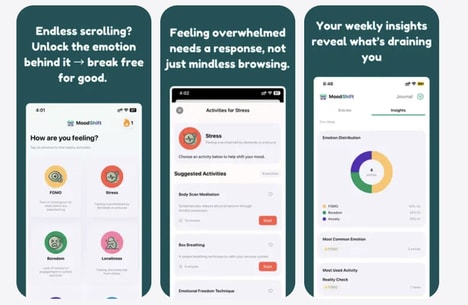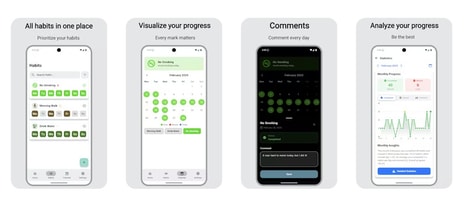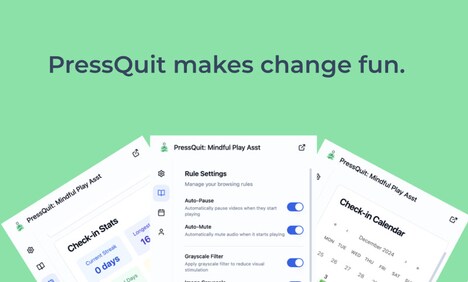
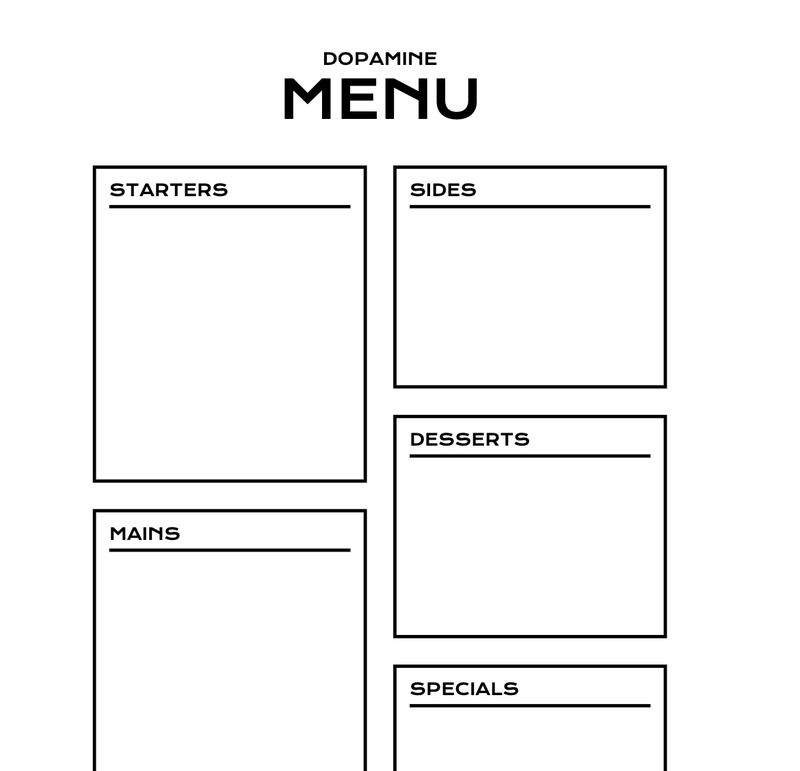
Dopamine Menu Builder is a digital tool designed to help individuals intentionally structure alternative activities to reduce habitual screen time. The platform guides users in creating a personalized “menu” of engaging tasks organized into categories, encouraging proactive behavior choices over passive scrolling.
Once completed, the menu can be saved to a device’s photo library or printed for offline reference, supporting consistent visibility and accountability. By framing habit change in a simple, visual format, the tool aligns with behavioral design principles that emphasize clarity and ease of use. For professionals and individuals seeking productivity gains or improved focus, it offers a structured approach to managing attention and downtime. Dopamine Menu Builder reflects growing interest in tools that promote mindful technology use and intentional daily routines.
Image Credit: Dopamine Menu Builder
Key Themes Behind This Trend
- Personalized Dopamine Menus
- A rising preference for customizable lists of high-engagement, low-screen activities creates room for platforms that tailor reward structures to individual motivation profiles.
- Intentional Screen-time Substitution
- Users increasingly favor structured alternatives to passive scrolling, promoting tools that reframe downtime around purposeful micro-activities rather than empty consumption.
- Visual Habit Scaffolding
- Simplified, printable interfaces that make desired routines visibly persistent are encouraging development of design-led habit systems that reduce cognitive friction for behavior change.
Where This Applies
- Productivity Software
- Desktop and mobile workflow suites can be reimagined to integrate attention-management modules that nudge users toward scheduled, non-digital tasks.
- Mental Health and Wellness
- Therapeutic and coaching services are being complemented by digital tools that formalize behavioral interventions into portable, user-driven habit menus.
- Consumer Electronics
- Device manufacturers have scope to differentiate hardware through OS-level features that surface offline activity prompts and reduce habitual app reliance.