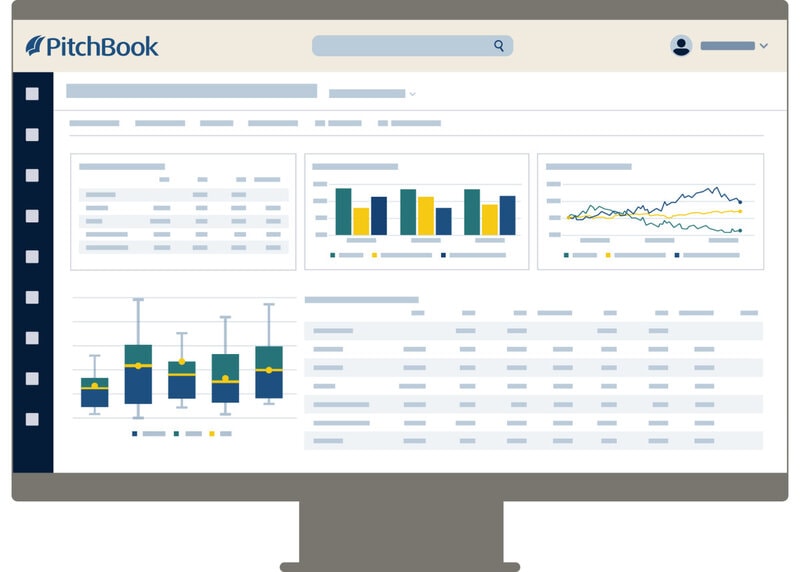
PitchBook is expanding startup financing software with ‘PitchBook for Startups’ and ‘PitchBook Origin,’ a paired release that gives eligible founders free platform access and investors earlier visibility into young companies before a fundraising trail forms. ‘PitchBook for Startups’ is open globally to self-funded companies seeking a first institutional round, with business details exchanged for investor discovery and peer benchmarking.
‘PitchBook Origin’ works as either a standalone product or a PitchBook add-on, pairing behavioral cues with private-market records in one sourcing workflow. At launch, it spans about 25 million companies, including 15 million not previously covered by PitchBook. It also tracks profiles for 250 million people and supports monitoring through live alerts and saved searches.
Free access for self-funded startups turns market intelligence into an entry point for founders outside institutional networks. Coverage that reaches stealth and bootstrapped companies moves investor research earlier, when speed and verified information can shape who gets funded.
Image Credit: PitchBook
Why This Trend Is Growing
- Founder-first Market Intelligence
- Free startup access models make premium private-market data available to founders earlier, widening benchmarking, visibility, and fundraising preparation beyond established venture networks.
- Pre-fundraising Investor Discovery
- Earlier sourcing tools that identify bootstrapped and stealth companies create new competitive dynamics around deal origination before formal fundraising activity begins.
- Behavioral Startup Signals
- Platforms combining engagement cues with company and people data introduce richer indicators for investor prioritization, diligence timing, and emerging-company discovery.
Industries Being Reshaped
- Venture Capital
- Earlier visibility into unfunded startups reshapes sourcing strategies as investors compete on speed, signal quality, and access to overlooked founding teams.
- Financial Technology
- Data-driven financing platforms expand fintech’s role in private markets by turning software access, analytics, and verified records into infrastructure for capital formation.
- Business Intelligence
- Private-company intelligence is moving toward broader coverage and live monitoring, enabling more granular discovery of emerging businesses before they appear in traditional datasets.