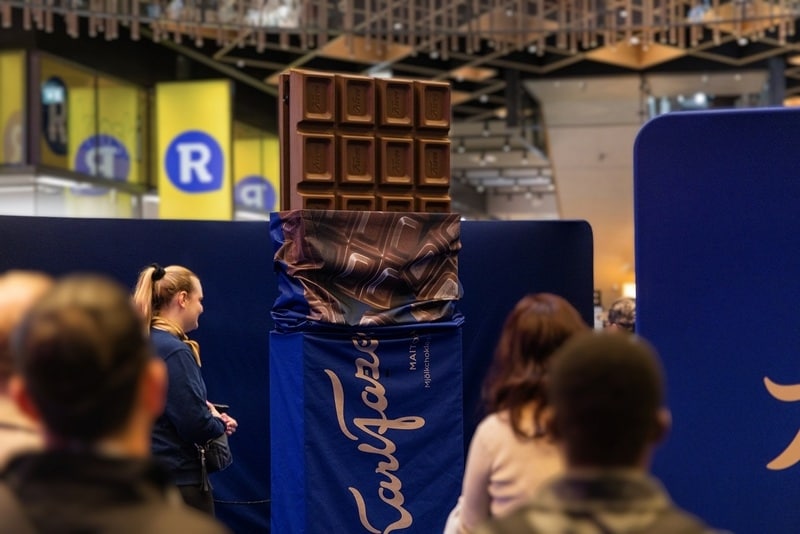
Chocolate is universally loved and craving it is only natural, but in a culture that's typically reserved, Finnish chocolate brand Karl Fazer is challenging people to be bold about what they want with the 'Desire-a-Bar.' This first-of-its-kind, desire-detecting chocolate experience in a shopping center harnesses AI technology that analyzes facial expressions and rewards people for standing in front of the large-scale chocolate bar with a smile or a longing gaze.
“We wanted to remind people that chocolate is more than just a treat—it’s a moment of joy, a stress reliever, and a source of pure indulgence, explained Karl Fazer’s Senior Marketing Manager, Niklas Lindroos, "The Desire-a-Bar is asking Finns to break out of their comfort zones and let their love for Karl Fazer chocolate show."
What Makes This Trend Stand Out
- AI-driven Emotion Recognition
- Leveraging AI to decode consumer emotions introduces a nuanced approach to personalized marketing, disrupting traditional engagement strategies.
- Interactive Retail Experiences
- The fusion of technology and in-store experiences fosters increased consumer engagement and creates unique value propositions for brands.
- Emotional AI in Consumer Goods
- Integrating emotional AI into consumer products paves the way for innovations that respond directly to human feelings and desires.
Sectors Adopting This
- Artificial Intelligence
- The burgeoning field of AI-driven emotion analysis offers countless applications beyond retail, particularly in consumer behavior insights.
- Retail Technology
- Enhanced by AI, the retail sector is poised for significant transformation through personalized and immersive customer experiences.
- Food and Beverage
- Innovation in the food industry is increasingly tied to emotional engagement, leading companies to explore AI as a tool for new product experiences.