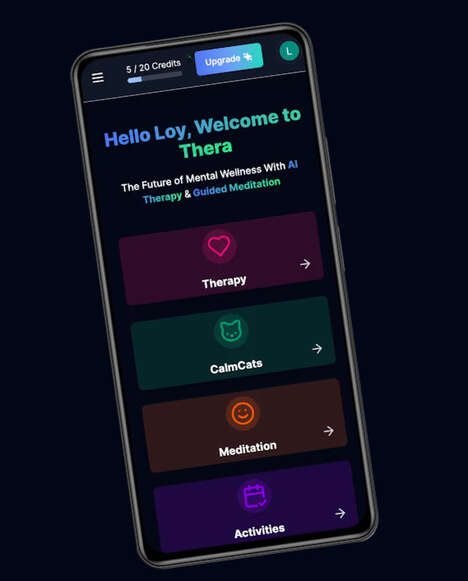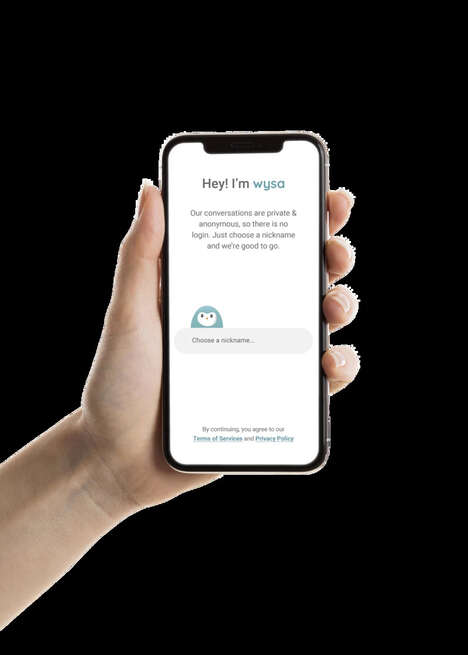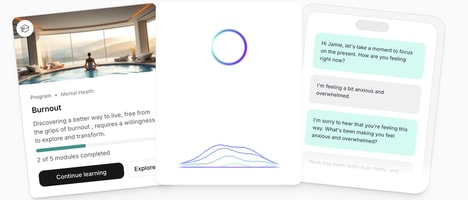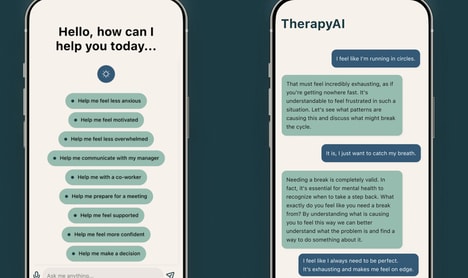

Identifying depression usually requires person-to-person interaction but new depression detecting AIs can help identify mental illness by identifying patterns in speech and word choice. Developed by researches at MIT, this new neural network engages users in an organic conversation and writing style. The nature of the AI allows users to engage in a more relaxed state and offers a diagnosis without any pretense of depression identification.
According to the AI's lead designer, Tuka Alhanai, the first hints towards a person's depression is "through their speech." The depression detecting AIs are being labeled as "context-free," simply because there are no constraints in the types of questions asked, or the responses needed for a diagnosis. The depression detecting AIs will hopefully be incredibly helpful to clinicians in diagnosing people with greater accuracy.
Why This Trend Is Growing
- Depression-detecting AI
- Developing AI for diagnosing depression through speech and language patterns presents an opportunity to reduce the stigma associated with mental illness.
- Context-free AI
- AI that can diagnose depression through organic, unconstrained conversations and writing styles has the potential to minimize the barrier of entry for those seeking a diagnosis.
- Neural Network-based Depression Detection
- Creating neural networks that identify the patterns of depression in a person's speech and writing has the opportunity to revolutionize the mental health industry's diagnostic process.
Industries Being Reshaped
- Mental Health
- Developing AI technology to assist clinicians in diagnosing mental illnesses could revolutionize the assessment and treatment process for those with depression.
- Artificial Intelligence
- Advancements in AI technologies that can detect mental illness through unconstrained communication could have implications for a broad range of industries, including healthcare, education, and government.
- Speech Recognition
- Using AI to diagnose depression by analyzing speech patterns reveals an opportunity for the speech recognition industry to expand into mental health detection technologies.