The US Navy is developing a new prototype deep-dive suit that helps save helium. Existing dive suit solutions can be extremely wasteful when it comes to the helium/oxygen gas mixture that divers breathe, prompting US Navy scientists at the Naval Surface Warfare Center Panama City to develop this high-tech solution.
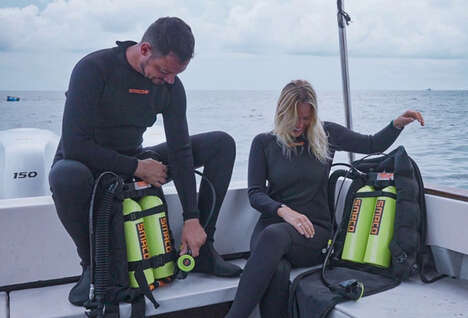
The US Navy scientists' deep-dive suit involves the recycling of a certain amount of exhaled helium. While exact details on the mechanism are yet to be released, it is believed a rebreather mechanism will be used to remove carbon dioxide from the mix, allowing the diver to breathe the recycled helium.
Ultimately, this helium-saving deep-dive suit means that the length of dive missions -- including emergency and reconnaisance missions -- can be extended, leading to better outcomes.
What's Driving This Trend
- Helium-saving Tech
- Businesses in the diving industry should explore opportunities in developing helium-saving technology.
- Rebreather Mechanisms
- Companies in the respiratory industry can create new and innovative rebreather mechanisms based on this technology.
- Extended Dive Time
- Industries that rely on deep-sea exploration can benefit from an increase in dive time, creating new opportunities in tourism and research.
Who This Affects Most
- Diving Industry
- Companies producing new diving equipment can utilize this technology to create more efficient and cost-effective products.
- Respiratory Industry
- Businesses that create respiratory equipment can develop new products based on the design of the rebreather mechanism in these dive suits.
- Tourism and Research Industry
- Industries that conduct research or tourism activities in deep-sea environments can use this technology to increase productivity and efficiency.