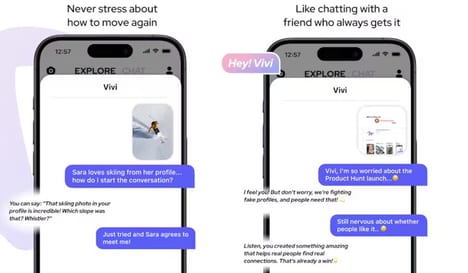
Not too long ago, people dated and courted one another in places such as bars, parks and cafes, however, this Dating in a Virtual World infographic reveals a chunk of the population who seeks love in the digital world.
Dating online means creating an optimal identity that's technically not real. Although a profile may contain real information, it's not a physical person that you're checking out. In the real world, going to the gym will show people your assets but in the virtual world, Photoshop is the savior.
According to Freedating, 10 percent of the 54 million singles in the United States use online dating services. About 49 percent of people seeking their love online base it on physical appearance, with 64 percent honing in on common interests.
Why This Trend Is Growing
- Virtual Dating
- The rise of virtual dating platforms presents a disruptive opportunity for businesses to provide unique digital dating experiences.
- Online Identity Creation
- The trend towards creating online identities opens opportunities for businesses to create new digital products and services that facilitate this process.
- Data-driven Matching
- Data analytics and artificial intelligence can be leveraged to create more effective and personalized matches for individuals using dating apps.
Industries Being Reshaped
- Online Dating Services
- The growth of online dating services presents a lucrative opportunity for businesses in this industry to create more engaging, user-friendly experiences for their customers.
- Digital Marketing
- The rise of virtual dating creates opportunities for businesses in the digital marketing industry to create innovative advertising campaigns targeting online daters.
- Data Analytics
- Developing and utilizing algorithms for data analysis and matching presents disruptive opportunities for businesses in the data analytics industry to provide actionable insights and improved user experiences within the online dating industry.