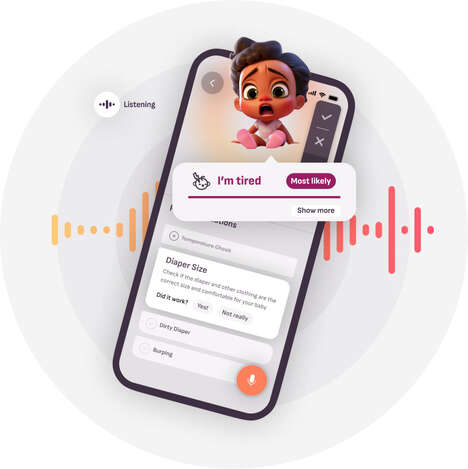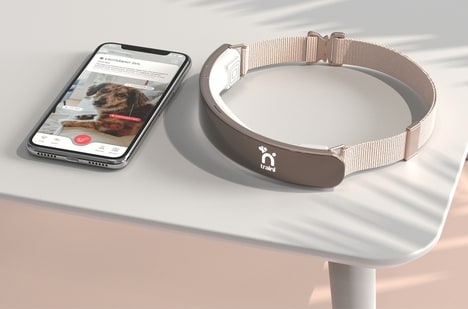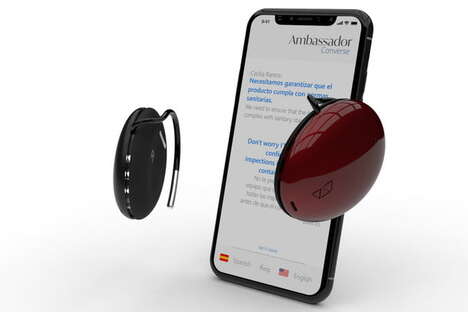
The 'Cry Translator' is a medically tested device that will determine what each sob or tear from a baby actually means. This unique device is eliminating the language barrier between infants and adults.
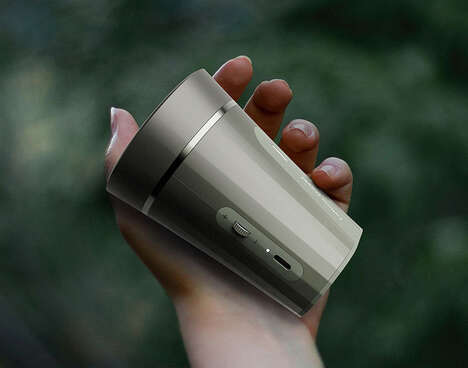
The Cry Translator looks like a remote control that will translate the sounds a baby makes into actual text that describes its needs and wants. The device reacts within three seconds of hearing a cry. It works by holding the controller about one foot from the baby and is able to reveal a baby's thoughts in only three seconds. The problem areas that this translator can assess are things like hunger, sleep, discomfort, stress or even restlessness caused by boredom.
This particular system has been tested and used by different pediatricians. In order to translate the thoughts of a weeping child, the system requires users to eliminate background noises that can interfere with its functions.
Key Themes Behind This Trend
- Language-barrier Elimination
- The 'Cry Translator' is eliminating the language barrier between infants and adults.
- Instant Cry Translation
- The Cry Translator can reveal a baby's needs and wants within three seconds of hearing a cry.
- Enhanced Infant Communication
- The Cry Translator enables parents and caregivers to understand infants' thoughts and emotions better.
Where This Applies
- Baby Products
- The Cry Translator presents an opportunity for innovation in the baby products industry, allowing for the development of more sophisticated and helpful devices.
- Healthcare
- The medical testing and usage of the Cry Translator opens doors for disruptive innovation within the healthcare industry, specifically in pediatrics and child development.
- Technology
- The Cry Translator showcases the potential for technological advancements in communication and language translation, offering opportunities for disruption in the tech industry.