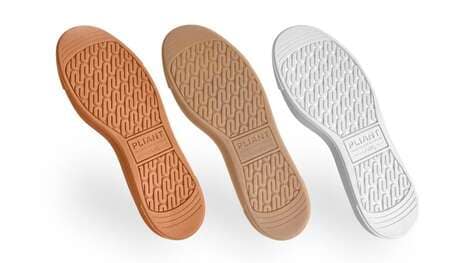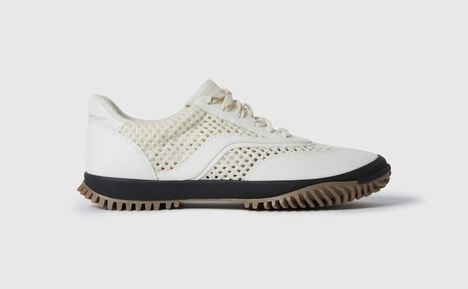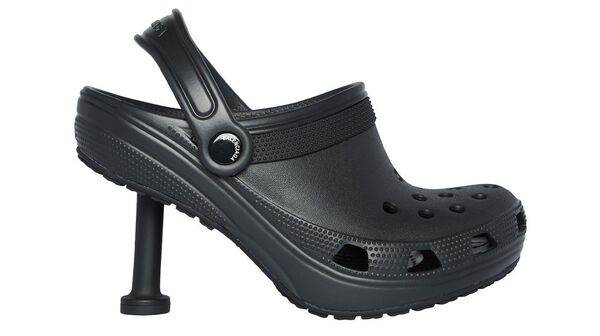


Crocs is on a mission to become a net-zero brand by 2030 and it's one step closer thanks to a new bio-based material called Croslite. Already, this innovative material is being worked into the brand's product lines and it plays a part in reducing the carbon footprint of popular styles. Currently, a pair of Classic Clogs, Crocs has a low carbon footprint of 3.94 kg CO2 eq. per pair and the brand is committed to a 50% reduction in its carbon footprint per pair of Crocs shoes by 2030.
Rather than creating a separate line of sustainable footwear, Clogs is integrating this material into its designs for men, women and kids for products that are more eco-friendly and just as high-performance as ever.
Why This Trend Is Growing
- Bio-based Footwear Materials
- The rise of bio-based materials in the footwear industry presents opportunities for innovation in sustainable design.
- Carbon Footprint Reduction
- Brands can capitalize on the growing demand for sustainable products by actively pursuing carbon footprint reduction and communicating these efforts to consumers.
- Mainstream Sustainability
- There is a growing trend towards incorporating sustainable materials and practices into mainstream consumer products, providing a significant market opportunity for brands who prioritize sustainability.
Industries Being Reshaped
- Footwear Manufacturing
- Footwear manufacturers can innovate to reduce their carbon footprint through the use of bio-based materials like Croslite and other sustainable practices.
- Sustainable Fashion
- The rise of sustainable materials in the footwear industry is part of a broader trend towards sustainable fashion and presents opportunities for innovation in eco-friendly design across the sector.
- Consumer Goods
- As consumers become more environmentally conscious, there is a significant market opportunity for consumer goods brands who prioritize sustainability and reduce their carbon footprint through innovative materials and practices like Croslite.