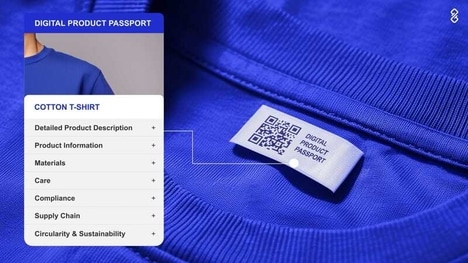

Target, FibreTrace, and Cargill have teamed up to enhance transparency in the cotton supply chain through the use of advanced tracking technology. This collaboration aims to verify the origin of raw cotton from the U.S. and Brazil by integrating luminescent pigments into the cotton fibers. These pigments provide a unique identifier that allows for real-time tracking throughout the supply chain.
Transparency in the cotton supply chain is beneficial for a number of reasons. It supports greater transparency and accountability in the textile industry, aligning with the growing demand for sustainable and ethically sourced products. Additionally, it supports broader sustainability goals by promoting the use of innovative technology to address supply chain challenges.
The project plans to mark 50,000 metric tons of cotton in its initial year.
Image Credit: FibreTrace
Why This Trend Is Growing
- Technology-enhanced Cotton Tracking
- Integrating luminescent pigments in cotton fibers represents a cutting-edge approach to ensure supply chain transparency.
- Sustainability-driven Transparency
- Emphasizing ethical sourcing and environmental responsibility, businesses are increasingly focused on transparent supply chain practices.
- Real-time Supply Chain Monitoring
- The ability to track cotton from origin to end-product in real time leverages technological advancements for unprecedented clarity in the supply chain.
Industries Being Reshaped
- Textile Manufacturing
- A significant shift towards transparency and sustainability is transforming traditional textile manufacturing practices.
- Agricultural Technology
- Innovative tracking solutions in the agricultural sector are influencing how raw materials like cotton are monitored and authenticated.
- Retail and Apparel
- Retailers and apparel brands are enhancing their supply chain integrity to meet consumer demand for ethically sourced products.