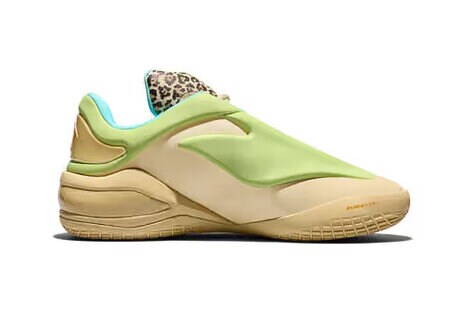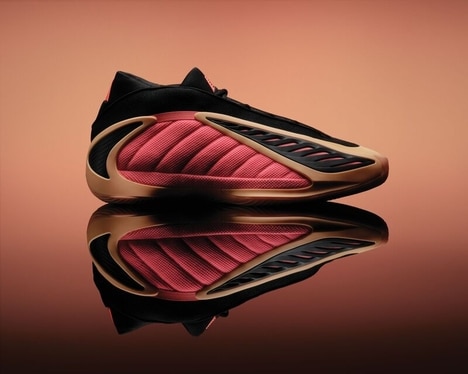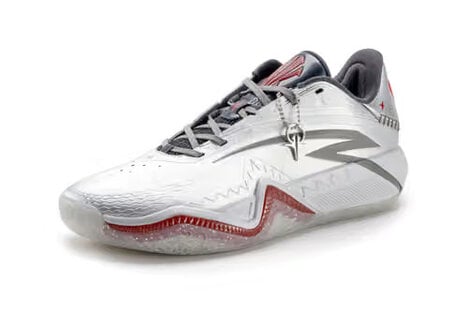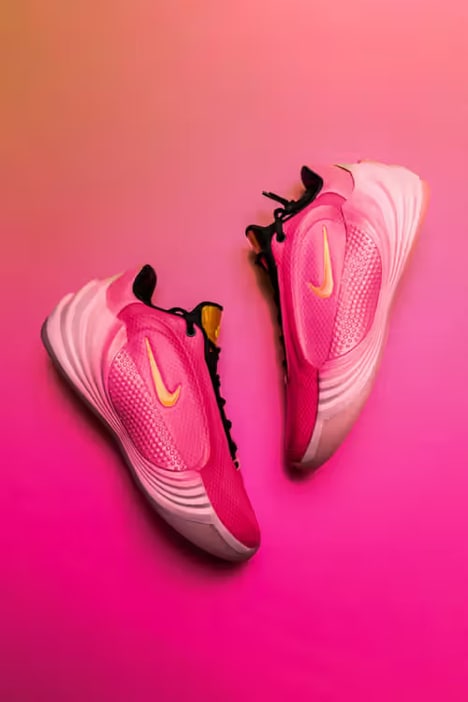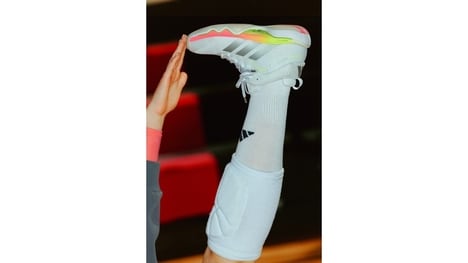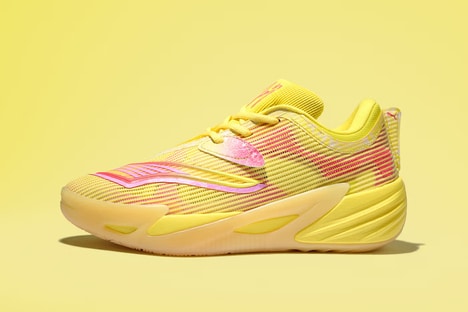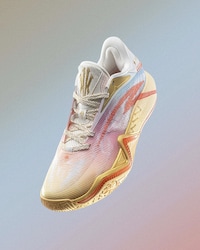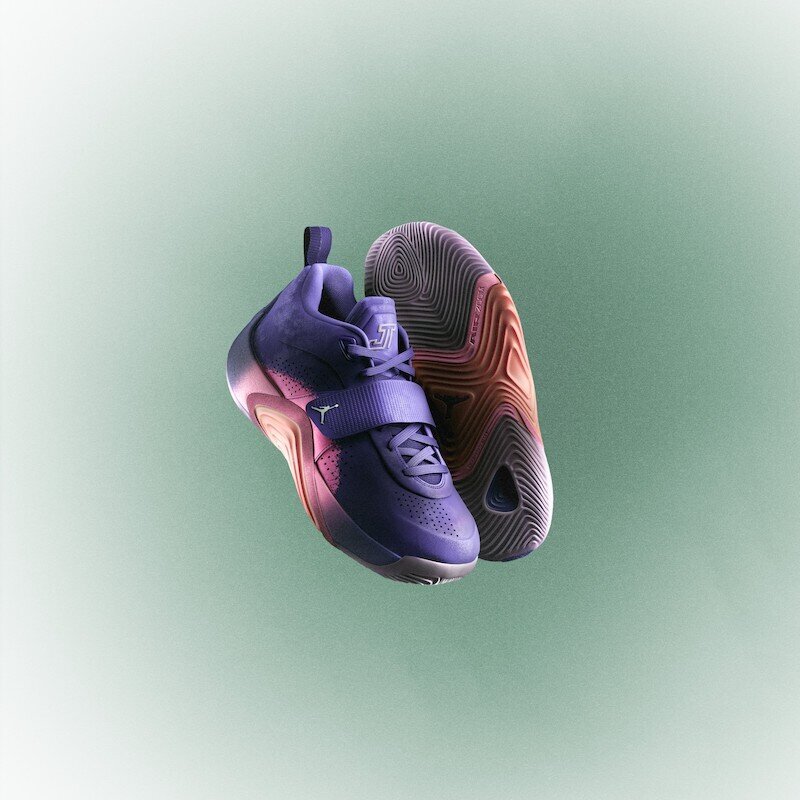
Jordan Brand's 'Tatum 5' is a signature basketball shoe built for control, featuring a dynamic utility strap that provides containment without bulk. The model pairs that strap with breathable mesh and lightweight materials to keep the shoe secure yet unrestrictive, enabling composed movement.
Performance details include a 10mm forefoot Air Zoom unit for responsive cushioning and a molded midfoot wrap and supporting heel structure for stability during cuts and accelerations. The outsole features a herringbone traction pattern with HART 2.0 rubber, and the line will offer a Sunrise launch colorway with a Sunset edition to follow.
Design cues connect the personal story to the shoe: a redesigned number 0 nods to the Gateway Arch, and full-family sizing broadens access. For players, the Tatum 5 promises a focused blend of responsiveness, containment, and stability that prioritizes composed footwork over raw speed.
Image Credit: Jordan Brand
Why This Trend Is Growing
- Control-first Performance Footwear
- Basketball shoes centered on containment, stability, and composed movement signal opportunities for products that prioritize precision over speed-driven performance claims.
- Lightweight Support Systems
- Dynamic straps, molded wraps, and breathable materials create room for footwear designs that deliver structure without adding bulk or limiting mobility.
- Personalized Athlete Storytelling
- Signature design details tied to player identity and local symbolism expand the role of performance shoes as both functional gear and narrative-driven merchandise.
Industries Being Reshaped
- Athletic Footwear
- Performance basketball models with integrated cushioning, traction, and support technologies highlight potential for more specialized position- and playstyle-based footwear.
- Sports Apparel
- Full-family sizing and coordinated launch colorways point to broader merchandise ecosystems that connect elite performance products with lifestyle adoption.
- Materials Technology
- Advanced rubber compounds, lightweight meshes, and responsive cushioning platforms reveal new possibilities for material innovation across high-impact sports equipment.