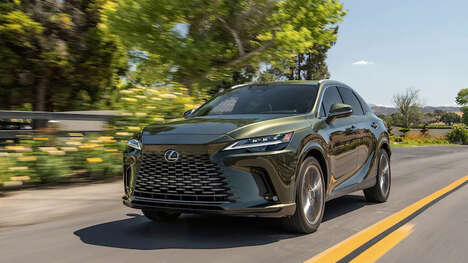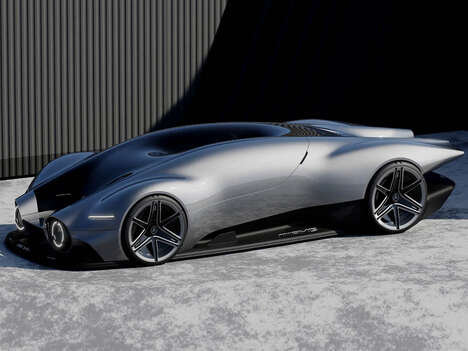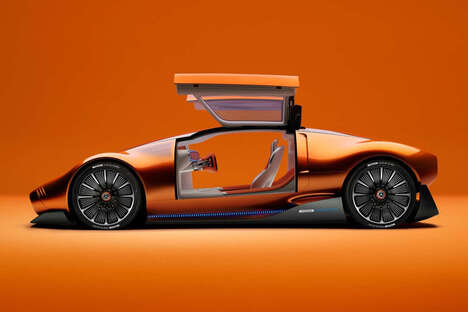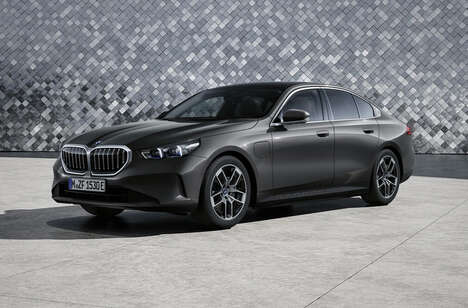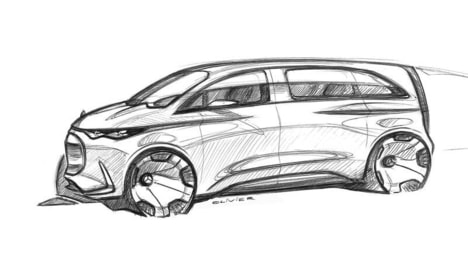
The Mercedes Concept V-ision e plug-in hybrid, at first glance, looks like a regular minivan that happens to have a power cord sticking out of it. Upon closer inspection however, it becomes apparent that this well engineered and conceived vehicle could represent the future of hybrid drive technology.
The vehicle features a 4-cylinder gasoline engine and an electric motor that work together to provide a total output of 333 horsepower and torque of up to 442 pounds-feet. These specs mean that the Mercedes Concept V-ision is capable of zooming from zero to 100 km/h in 6.1 seconds and hitting a top speed of 206 km/h. Fuel consumption comes up to less than 3 liters per 100 km.
For a vehicle this big and powerful, the V-ision is pretty fuel efficient, something manufacturers of other hybrid plug-ins should find interesting.
What Makes This Trend Stand Out
- Hybrid Drive Technology
- Disruptive innovation opportunities lie in the development of more efficient and powerful hybrid drive technology for plug-in cars.
- Fuel Efficiency
- The growing demand for fuel-efficient vehicles emphasizes the need for advancements in plug-in car technology to improve fuel consumption.
- Electric Motors
- Exploring innovative electric motor technologies can lead to improved performance and acceleration in plug-in hybrid cars.
Sectors Adopting This
- Automotive Industry
- The automotive industry should focus on developing and manufacturing more efficient and advanced plug-in hybrid cars to meet the increasing demand for fuel efficiency.
- Electric Vehicle Industry
- Continued advancements in electric vehicle technology and infrastructure can support the growth and adoption of plug-in hybrid cars in the market.
- Energy Industry
- The energy industry can seize disruptive innovation opportunities by investing in renewable energy sources to power plug-in hybrid cars, contributing to a more sustainable future.