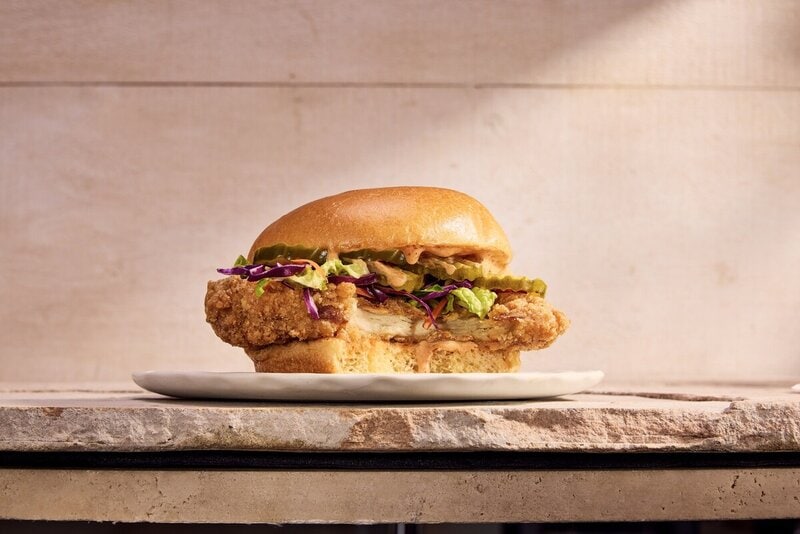
Commercial-scale cultivated chicken is becoming more accessible as UPSIDE Foods introduces its cell-grown meat to restaurants, universities, and corporate dining programs. The company's new UPSIDE Chicken combines meat cultivated directly from animal cells with plant-based ingredients, offering consumers an alternative to conventional poultry production without requiring animals to be slaughtered.
Following a 10,000-fold production expansion, UPSIDE Foods now operates cultivation tanks exceeding 20,000 liters, enabling annual output of more than one million pounds on less than half an acre. The product incorporates soy protein, pea fiber, and olive oil, while becoming part of the first cultivated meat portfolio to receive halal certification.
For UPSIDE Foods, increased manufacturing capacity creates opportunities to supply more foodservice establishments at accessible prices. Regulatory clearances and partnerships with restaurants and institutional dining programs could also support wider adoption of cultivated meat.
Image Credit: UPSIDE Foods
Why This Trend Is Growing
- Hybrid Cultivated Proteins
- Blended formats combining animal cells with plant-based ingredients create scalable pathways for alternative meats with familiar texture, nutrition, and cost structures.
- Institutional Alt-meat Adoption
- Universities, corporate dining, and foodservice operators provide high-volume environments where novel proteins can normalize quickly through everyday meal occasions.
- Certified Cell-based Foods
- Halal and other certification frameworks expand trust in cultivated meat, opening access to culturally specific markets and broader mainstream acceptance.
Industries Being Reshaped
- Foodservice
- Restaurant and cafeteria channels are positioned to accelerate consumer exposure to cultivated chicken through prepared dishes rather than retail experimentation.
- Biomanufacturing
- Large-scale cultivation tanks and cell-growth infrastructure signal a shift toward food production models rooted in precision fermentation and industrial biology.
- Alternative Protein
- The category is evolving beyond plant-based substitutes as cultivated and hybrid products introduce new competitive dynamics for sustainable meat innovation.