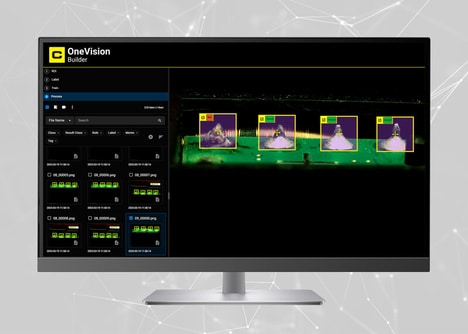

Collov’s visual AI systems introduce a new way for users to interact with technology by turning camera input into actionable insights. Instead of relying on text-based prompts, users can point their device at a scene and receive contextual understanding, design suggestions, or task automation. By combining spatial reasoning, diffusion models, and agentic workflows, the platform interprets real-world environments and responds with practical outputs, making AI more intuitive and accessible.
From a business perspective, this approach opens new opportunities across retail, interior design, and e-commerce, where visual context is critical. Brands can enhance customer experiences through real-time personalization and faster decision-making tools. It also lowers the barrier to entry for AI adoption, allowing less tech-savvy users to engage with advanced systems. As competitors adopt similar capabilities, companies may need to rethink digital interfaces and invest in more immersive, visually driven platforms to stay relevant.
Image Credit: Collov Labs
Key Themes Behind This Trend
- Camera-first Interaction
- Enables users to replace text prompts with visual inputs, creating interfaces that prioritize real-world context and immediacy.
- Spatially Aware AI
- Combines depth, geometry, and scene understanding to produce context-sensitive recommendations tied to physical environments.
- Agentic Visual Workflows
- Integrates autonomous multi-step agents with image interpretation to orchestrate complex tasks from a single camera capture.
Where This Applies
- Retail
- Visual AI can transform in-store and online shopping by enabling real-time product discovery and context-driven personalization.
- Interior Design
- Provides on-the-spot spatial suggestions and virtual staging that reshape client consultations and design validation processes.
- E-commerce
- Supports faster conversion through image-based search, automated product matching, and personalized visual merchandising.