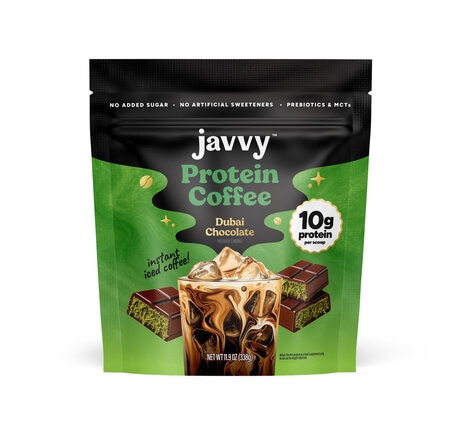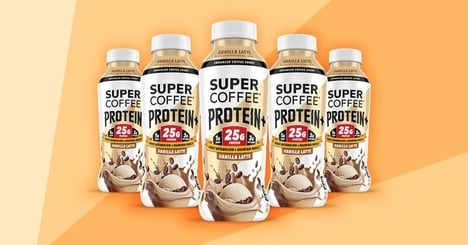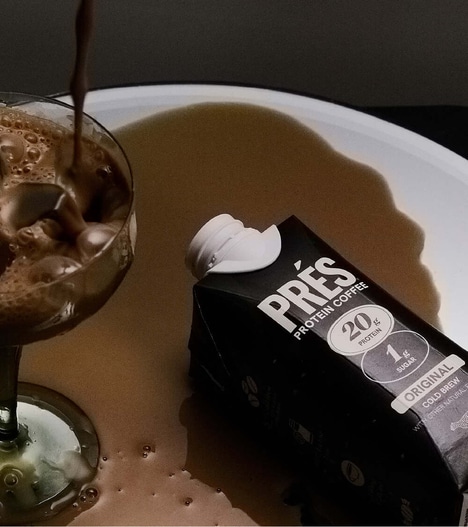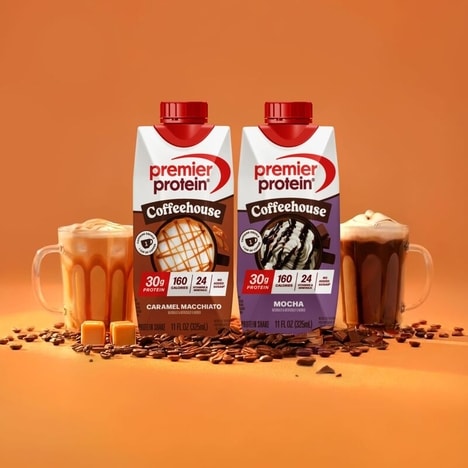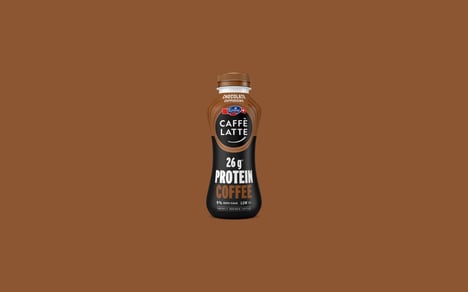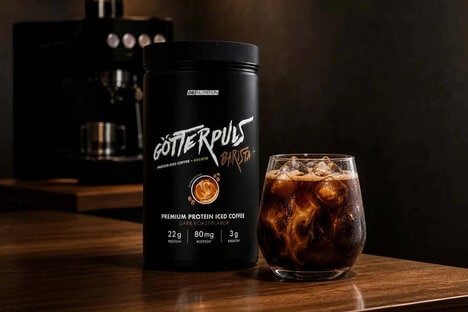
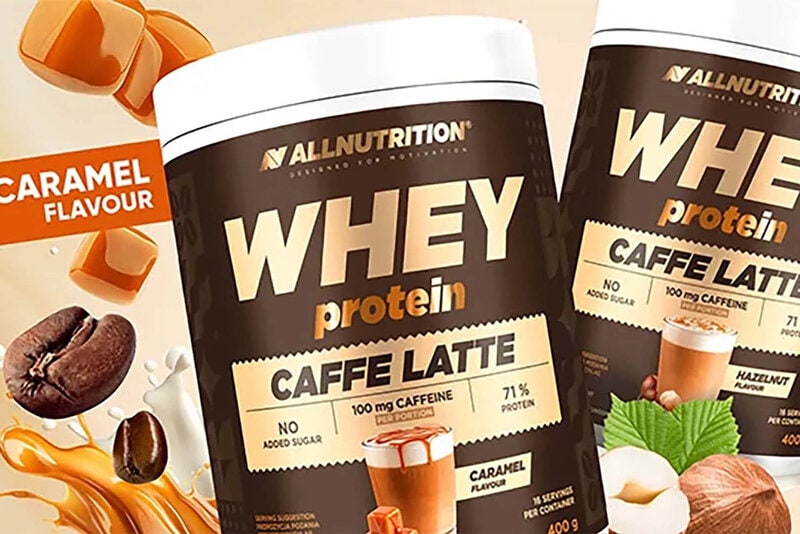
All Nutrition introduced two new flavors in its Whey Protein Caffe Latte line, featuring coffee-infused whey with 100mg of caffeine per serving. The product provides 18g of whey protein per serving and is formulated without added sugar. The Polish brand expanded beyond its original Vanilla option to create a small series of coffee-forward protein powders.
The new options are Caramel and Hazelnut, familiar coffee pairings that match the line’s moderate-protein, low-carbohydrate and minimal-fat profile. Each 400g tub contains 16 servings and is priced at 69.99 zł (18.48 USD) at sklep.sfd.pl. The formula keeps the caffeine level consistent with the series while varying flavor to suit coffee routines.
For consumers this combines a morning caffeine boost with a muscle-focused protein shake in one product, simplifying pre- or post-workout rituals. The flavor expansion turns a single SKU into a lineup, giving buyers more choice without changing the product’s nutritional identity.
Image Credit: Stack3d
Why This Trend Is Growing
- Coffee-infused Protein
- Hybrid nutrition formats are merging daily caffeine rituals with functional protein intake, creating room for products that replace multiple routine beverages with one targeted formula.
- Flavor-led Fitness Nutrition
- Familiar café flavors such as caramel and hazelnut are making performance products feel more indulgent, expanding appeal beyond traditional sports nutrition users.
- Sugar-free Energy Formats
- Low-sugar formulations that still deliver stimulation and satiety reflect growing demand for health-conscious convenience across active lifestyles.
Industries Being Reshaped
- Sports Nutrition
- Protein powders with built-in caffeine are reshaping category expectations by combining muscle support, energy, and flavor variety in a single supplement.
- Functional Beverages
- Powdered coffee-protein blends blur the line between drink mixes and supplements, opening space for shelf-stable alternatives to ready-to-drink energy products.
- Coffee Products
- Coffee-inspired nutrition extensions show how café culture can influence adjacent wellness categories through recognizable flavors and routine-based positioning.