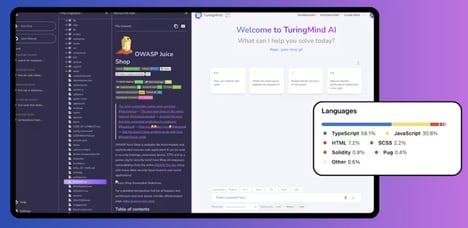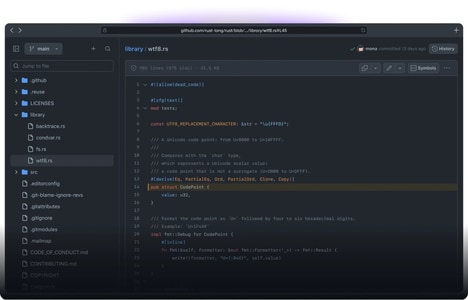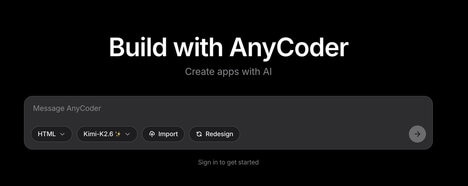
Querit is expanding its Search API, an application programming interface, with a coding vertical that turns broad web lookups into programming-specific results. The shift gives code generation, in-editor work, and debugging cleaner technical context than a standard search page would. It returns structured results built for coding agents instead of just a link list.
Querit runs on its own index of hundreds of billions of pages, and the coding layer leans toward official docs and API references. It checks for details such as language or framework version, and existing integrations can tap it without swapping endpoints.
For the category, that pushes AI retrieval toward task-aware search instead of a generic web layer with a code filter. Developers weighing agent infrastructure now have more reason to expect technical fit before a model writes or debugs anything.
Image Credit: Querit
Why This Trend Is Growing
- Task-aware Search
- Programming-specific retrieval layers create room for AI systems that understand intent, context, and technical constraints before generating or debugging code.
- Agent-ready Documentation
- Structured access to official docs and API references supports more reliable coding agents that can ground outputs in current technical sources.
- Contextual Developer Tools
- In-editor and workflow-native search experiences point to software environments where retrieval, coding, and troubleshooting merge into a single intelligent layer.
Industries Being Reshaped
- Software Development
- Developer platforms can differentiate through embedded AI infrastructure that delivers version-aware, framework-specific coding context at the point of work.
- Artificial Intelligence
- AI infrastructure providers gain new pathways by pairing models with specialized retrieval systems that improve accuracy for technical tasks.
- Enterprise Search
- Search vendors face opportunities in verticalized indexes that transform broad information access into domain-specific, machine-readable intelligence.