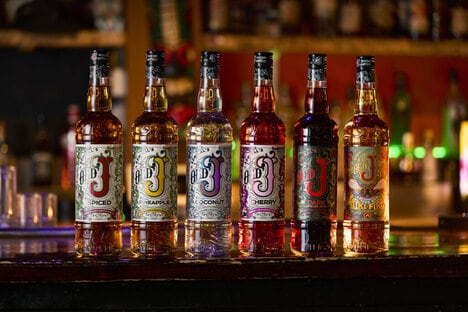
Butterfly Cannon created Bad Appel, an apple calvados positioned for cocktails and aimed at younger drinkers instead of the category's usual after-dinner audience. The spirit comes from Pays d'Auge in Normandy, linking the new drinking occasion back to calvados' home region.
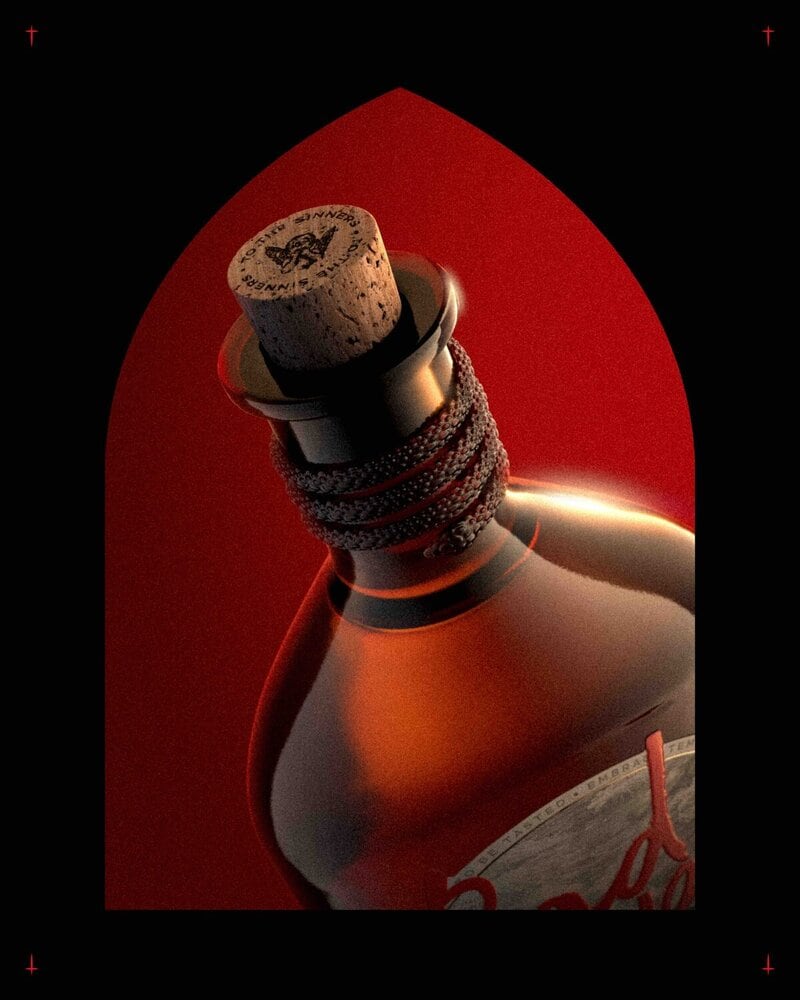
Its bottle uses an apothecary profile with a snake curled around the neck, while red hand-drawn lettering interrupts Adam and Eve artwork by Steve Noble. Bad Appel is asking bartenders to "Corrupt the Classics," using familiar recipes as a base for new serves.
In the UK, where only 35% of adults have heard of calvados, the bottle gives bars a visual hook for introducing the spirit. Preference for modern or new-to-market cocktails has risen to 17%, making a mixed-drink pitch more useful than a traditional after-supper one. This positions it for cocktails instead of post-dinner pours widens how British venues can use calvados and how younger drinkers may encounter it.
Image Credit: Butterfly Cannon, Steve Noble
What Makes This Trend Stand Out
- Cocktail-first Heritage Spirits
- Traditional regional spirits are being repositioned around mixed drinks, creating space for legacy categories to reach younger consumers through familiar cocktail formats.
- Provocative Bottle Storytelling
- Bold packaging with mythic, rebellious, or apothecary-inspired cues gives underrecognized spirits a stronger shelf presence and a more memorable bar introduction.
- Classic Cocktail Remixing
- Reframing established recipes with lesser-known base spirits opens new menu pathways for bartenders while making unfamiliar categories easier for consumers to try.
Sectors Adopting This
- Alcoholic Beverages
- Heritage spirits with limited mainstream awareness can gain relevance through cocktail-led branding that expands usage occasions beyond traditional consumption rituals.
- Hospitality
- Bars and restaurants benefit from visually distinctive spirits that provide both a conversation starter and a flexible ingredient for modern cocktail programs.
- Packaging Design
- Narrative-driven bottle design offers premium beverage brands a way to signal authenticity, disruption, and cultural intrigue at the point of purchase.