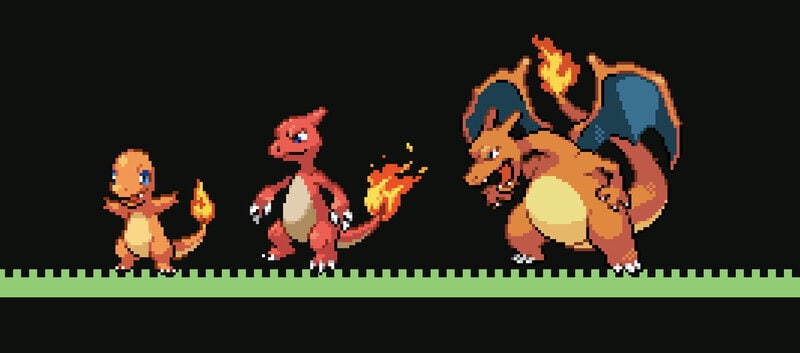
AI coding agents can spend a significant amount of time processing prompts and completing tasks, leaving developers waiting for the next step. claudemon turns that downtime into a small interactive game inspired by classic Pokémon. Each prompt acts as a step through virtual grass, with another step added for every 20 seconds of Claude Code activity.
When a Pokémon appears, the tool displays a notification in the status line and lets users switch to a second terminal tab to battle it. The game includes all 151 original Pokémon, giving users a collection goal alongside their usual coding workflow. claudemon runs entirely locally and does not require an account, keeping the experience lightweight and separate from the coding tools themselves. By adding a game to the waiting periods built into AI-assisted development, claudemon offers a playful way to make long-running coding tasks feel less tedious.
Image Credit: claudemon
Why This Trend Is Growing
- Downtime Gamification
- Idle moments in AI-assisted workflows are becoming entertainment surfaces where lightweight games can improve perceived productivity and user engagement.
- Ambient Developer Tools
- Background utilities that run locally alongside coding platforms create room for playful, low-friction experiences without disrupting core technical tasks.
- Nostalgic Productivity Layers
- Retro game mechanics and collectible goals are adding emotional appeal to professional software environments that are otherwise highly functional.
Industries Being Reshaped
- Software Development
- AI coding workflows generate new gaps in attention, creating space for companion tools that make waiting periods feel more rewarding.
- Gaming
- Classic collection and battle systems are being reinterpreted as micro-experiences embedded inside non-gaming professional contexts.
- Developer Productivity
- Tools that blend utility with recreation point to new engagement models for platforms competing to retain developer focus during automated tasks.