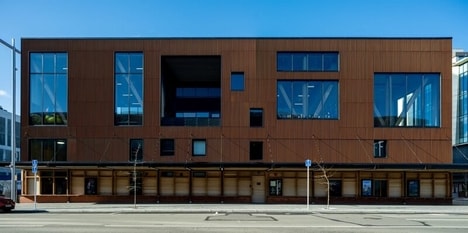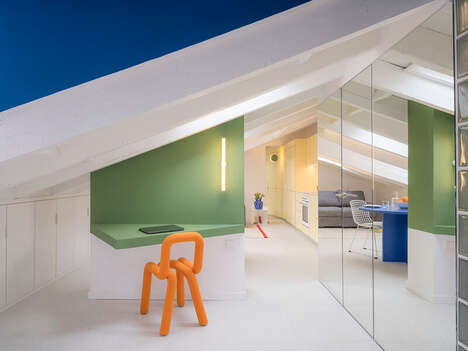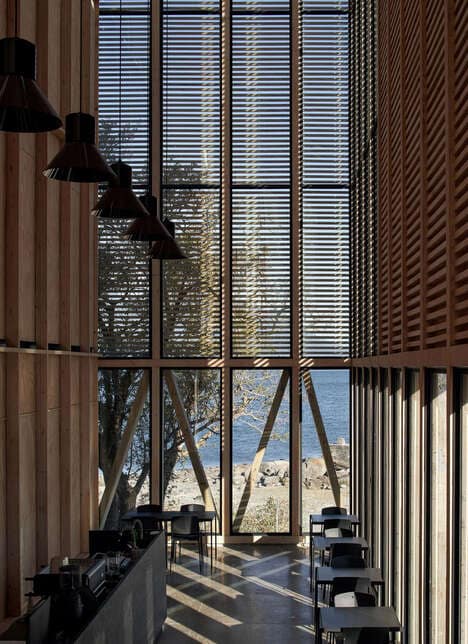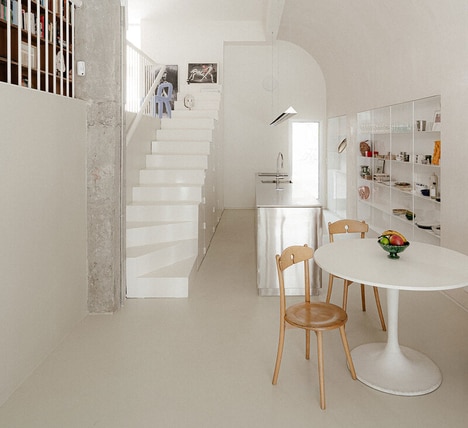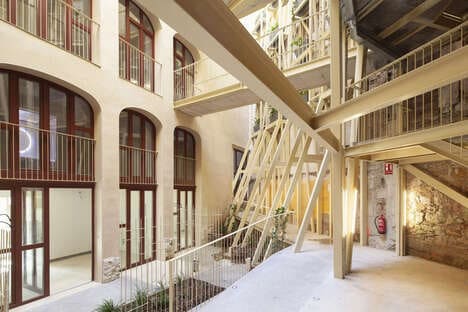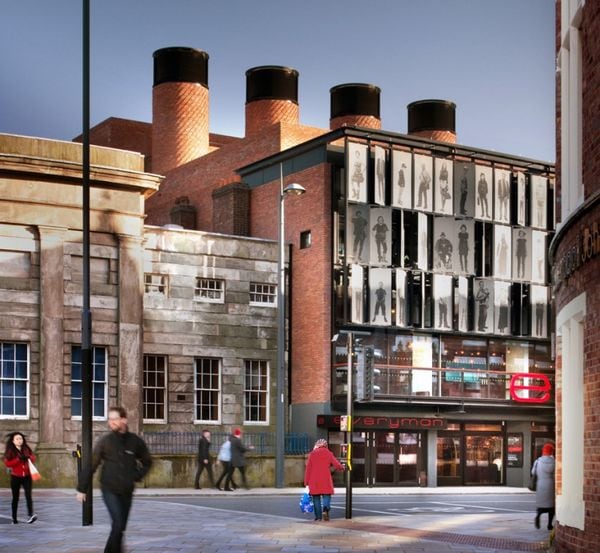
The Cineteca Cinema Center was designed by Churtichaga+Quadra-Salcedo Architects. The awe-inspiring theatre space has been transformed from a former slaughterhouse into a cultural cinema space.
Refurbishing an abandoned factory, the Spanish design studio reinforced the building's existing structure and created a warm interior with the use of all-over wooden flooring elements.
Adding a visual focal point to the cinema space, basket-like elements feature a bent, steel-tubed construction and woven framing. These memorable sculptural elements are back-lit, standing out amongst the darkness of the building's dark surrounding interior.
The Cineteca Cinema Center is home to two large theatre spaces, a film archive, a film and television studio, offices, canteen and summer film patio making it the perfect addition to Madrid's hip and culture-infused Matadero neighbourhood.
What's Driving This Trend
- Refurbished Theatre Spaces
- Design studios are finding innovative ways to transform abandoned and unused buildings into cultural cinema spaces.
- Sustainable Architecture
- Using sustainable elements like all-over wooden flooring and back-lit sculptural elements pave the way for sustainable architecture in cinema spaces.
- Cultural Mechanics
- The incorporation of film archives, television studios, and canteens into cinema spaces creates a cultural hub for diverse industries and audiences.
Who This Affects Most
- Architecture
- Design studios can capitalize on the opportunity presented by the trend of refurbished theatre spaces to create sustainable cultural spaces from unused buildings.
- Film Industry
- The incorporation of film archives and television studios into cinema spaces allows for the creation of a cultural hub and a space for creativity and innovation.
- Hospitality Industry
- The incorporation of canteens and summer film patios in cinema spaces paves the way for a new trend in the hospitality industry by providing a unique experience for audiences.