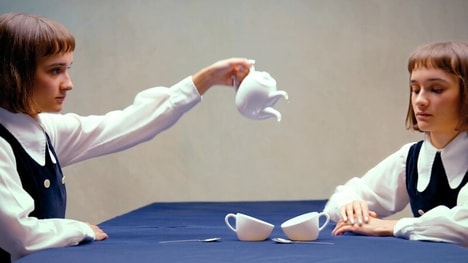
In Britain a chocolate teapot means something or someone who is completely useless, not unlike the concept of a cheese cauldron. However, some Brits felt the need to put this insult to the test and employed a master chocolatier to do so. John Costello of the Nestle Product Technology Centre was well up to the task and crafted a non-melting chocolate teapot, wholly debunking the term.
Along with a team of engineers and scientists, Costello set out to create a useful teapot made out of chocolate. Their two-faceted approach involved using 65% dark chocolate solids as well as making a thick enough vessel so the chocolate would absorb as much energy as possible before turning into a liquid state. Cast in a silicon mold, the final product is usable as long as you don't stir up the sludge on the bottom.
What's Driving This Trend
- Non-melting Food Products
- Creating non-melting versions of traditionally meltable food items opens up new possibilities for product innovation.
- Material Engineering
- Exploring new materials and engineering techniques can lead to the creation of unconventional and functional products.
- Reimagined Culinary Concepts
- Challenging traditional notions of cooking and food preparation can result in unexpected and useful culinary inventions.
Who This Affects Most
- Food and Beverage
- The food and beverage industry can explore non-melting alternatives for existing products, opening up new markets and consumer opportunities.
- Materials Science
- The materials science industry can develop innovative materials that have unique properties, enabling the creation of non-melting food items and other groundbreaking products.
- Kitchenware and Cookware
- The kitchenware and cookware industry can design and manufacture non-melting utensils and tools, providing chefs and home cooks with more durable and versatile options.