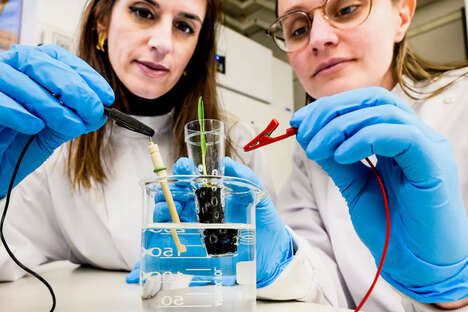
Researchers at NASA's Jet Propulsion Laboratory have come up with a way to use underwater chemical garden structures to generate enough electricity to power a light bulb.
The team grew chimney-like structures, with several of them linked together to help generate the electricity. The implications of this project is the development of the understanding that the seafloor equivalents of these NASA chemical gardens may have helped contribute the electricity needed for the Earth's very first organisms to develop.
What's interesting about these 'chimneys' is that they function much electrical wires on the seafloor. "We're harnessing energy as the first life on Earth might have," says the project's lead Laurie Barge.
The next step for this project will be to assess the electric potential of materials like nickel, hydrogen and carbon dioxide.
What's Driving This Trend
- Chemical Garden Electricity
- Using underwater chemical garden structures to generate enough electricity
- Seafloor Energy Sources
- Exploring the possibilities of utilizing seafloor energy sources for generating electricity
- First Life Energy Generation
- Discovering how the first life on Earth generated energy and adapting it for modern use
Who This Affects Most
- Renewable Energy
- Exploring new ways of harnessing renewable energy sources, particularly from underwater structures
- Marine Biology
- Deepening our understanding of the role of chemical gardens and seafloor energy sources in the development of first organisms
- Alternative Power Sources
- Advancing the development of alternative power sources using natural resources and ecosystems