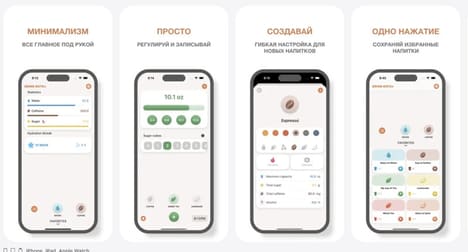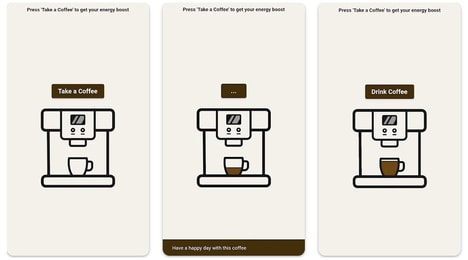

Caffeine affects individuals differently, and its effects can persist long after a coffee, tea, or energy drink is consumed -- The Caffeine Half-Life Calculator helps estimate how much caffeine may remain in the body over time based on intake and typical caffeine metabolism rates.
The tool calculates the gradual reduction of caffeine levels using half-life estimates, providing a clearer picture of when caffeine may still be active in the system. This can help users better understand the timing of consumption throughout the day.
Beyond simple calculations, the platform supports awareness of cumulative caffeine intake by helping users visualize how multiple servings may overlap. The estimates can be useful for those monitoring energy levels, sleep habits, or daily stimulant consumption.
Image Credit: The Caffeine Half-Life Calculator
Key Themes Behind This Trend
- Caffeine Biometrics
- Personalized caffeine models connect intake logs with metabolism estimates, creating new possibilities for consumer wellness tools that forecast alertness, sleep disruption, and recovery windows.
- Stimulant Timing Apps
- Daily planning platforms can incorporate caffeine decay insights to make energy management more precise across work, exercise, studying, and evening routines.
- Sleep-aware Consumption
- Visualizing overlapping servings introduces a more data-driven approach to beverage habits, especially for users seeking clearer connections between stimulant use and sleep quality.
Where This Applies
- Digital Health
- Wellness platforms gain differentiated value by translating everyday consumption behavior into personalized metabolic feedback for fatigue, focus, and sleep management.
- Functional Beverages
- Coffee, tea, and energy drink brands have an opportunity to pair products with transparent caffeine guidance that supports more informed and responsible consumption.
- Workplace Wellness
- Employee wellbeing programs can use caffeine tracking insights to address productivity, burnout, and rest patterns through measurable daily energy habits.