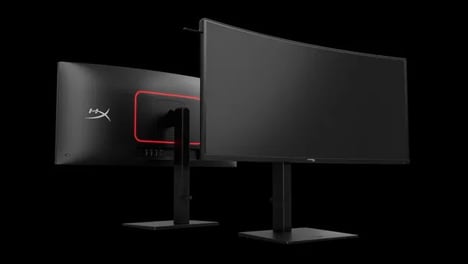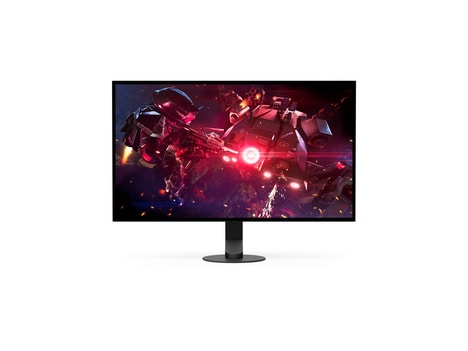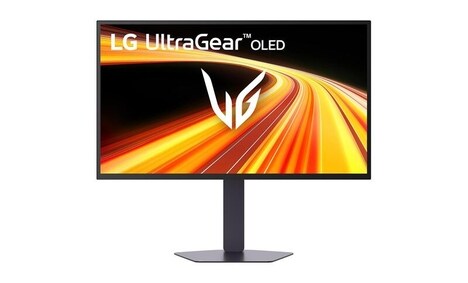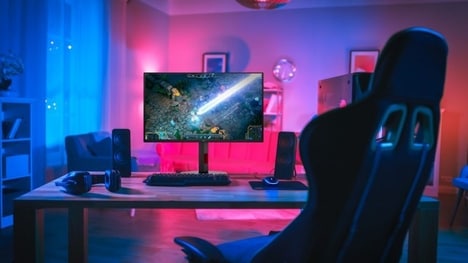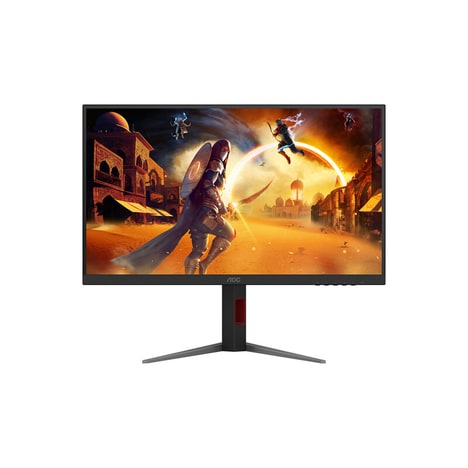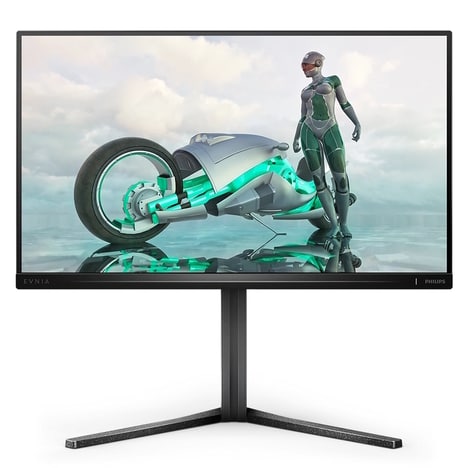
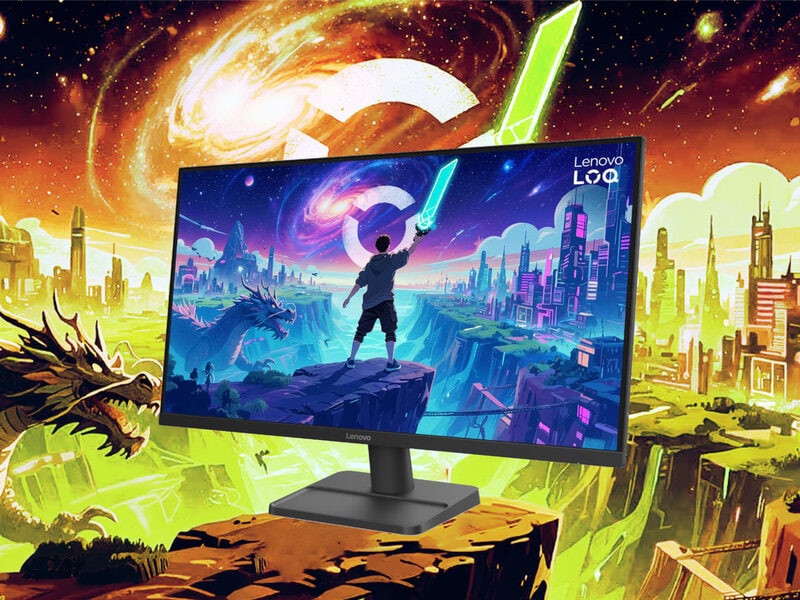
Lenovo is expanding its budget gaming range with the 'LOQ 25-10,' a compact monitor designed to keep competitive play smooth on smaller desks. It features an IPS panel, a display type known for more consistent picture quality across the screen. That size also keeps a setup feeling tidier in tighter rooms or shared workspaces.
A 280 Hz refresh rate and AMD FreeSync Premium support are standout features, keeping motion smoother and reducing tearing in fast-paced matches. That combination steers the LOQ line toward players who prioritize reaction-focused play over oversized screens.
For shoppers, this adds another budget Lenovo choice in the regions where the company plans to sell it, especially for buyers who want a smaller display without giving up speed. North American buyers may end up comparing other brands instead of waiting for this model.
Image Credit: Lenovo
Why This Trend Is Growing
- Compact Esports Displays
- Smaller high-refresh monitors reflect demand for performance-focused gaming setups that fit bedrooms, dorms, and shared workspaces without compromising speed.
- Affordable High-hz Gaming
- Budget access to 280 Hz refresh rates signals broader competition around premium motion clarity becoming standard in entry-level gaming hardware.
- Space-saving Play Stations
- Tighter living environments are shaping demand for minimalist gaming gear that balances desk efficiency, visual quality, and competitive responsiveness.
Industries Being Reshaped
- Gaming Hardware
- Value-driven monitor launches create room for brands to differentiate through refresh rate, adaptive sync, and compact form factors at lower prices.
- Consumer Electronics
- Mainstream display makers are expanding budget product tiers as high-performance specifications migrate into more accessible household devices.
- Esports Equipment
- Competitive gaming peripherals are evolving around affordability and setup flexibility, widening access for amateur players and smaller gaming spaces.