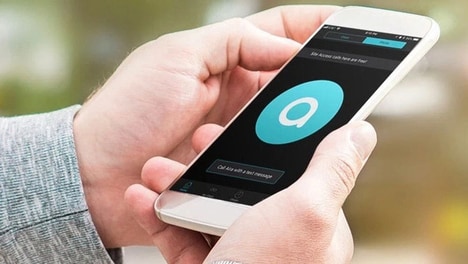

Frankfurt Airport has reportedly become the first airport in the world to implement Auracast broadcast audio technology, a new Bluetooth capability that transmits public gate announcements directly to passengers' personal devices. This means that individuals will be able to hear the information through their hearing aids, earbuds, and smartphones.
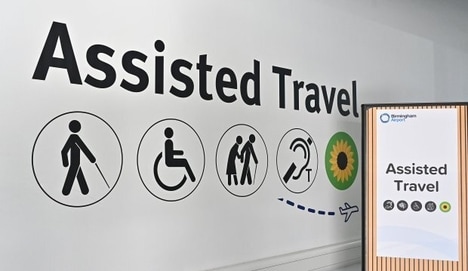
The implementation of the Auracast broadcast audio technology seeks to address a common source of travel stress and confusion at airports — the difficulty of hearing and understanding public address announcements in a noisy, crowded terminal environment. For the nearly one in five people globally who experience hearing loss, this technology is particularly transformative, as it delivers clear, personalized audio straight to their assistive devices.
By partnering with leading technology companies to bring this capability to life, Frankfurt Airport is setting a new standard for accessible and passenger-friendly communication in public spaces.
Image Credit: Frankfurt Airport
What Makes This Trend Stand Out
- Personalized Broadcast Audio
- Delivers tailored public announcements directly to individual devices, redefining accessible passenger communication and expectations for personalized information streams.
- Assistive Tech Integration
- Brings hearing aids and mainstream consumer earbuds into unified public communication ecosystems, creating new value propositions for inclusive hardware and software partnerships.
- Location Based Bluetooth Services
- Uses spatially targeted Auracast transmissions to provide context-aware audio in crowded environments, enabling novel location-specific content and monetization models.
Sectors Adopting This
- Airports and Transportation Hubs
- Transforms terminal communication infrastructure into seamless, device-directed channels that elevate passenger experience and operational clarity during high-traffic periods.
- Assistive Hearing Devices
- Positions hearing-aid makers to expand beyond medical functionality into integrated public-audio platforms that enhance real-world accessibility and user engagement.
- Public Venue Audio Systems
- Shifts venue sound strategies from ambient loudspeakers to hybrid broadcast models that can deliver targeted messages, sponsorship content, and accessibility features directly to attendees.