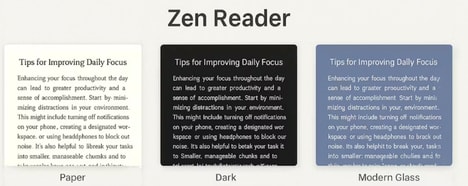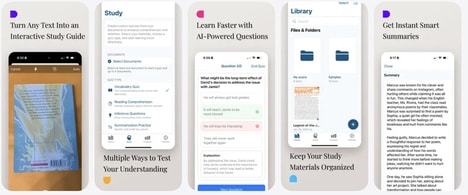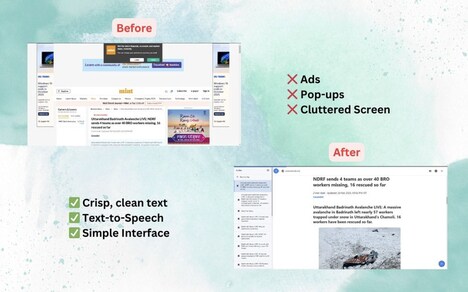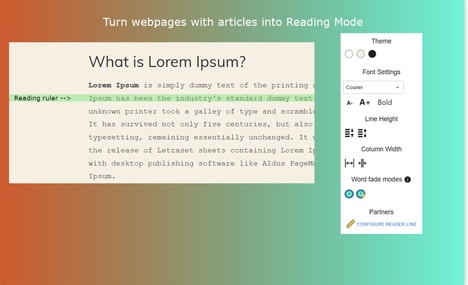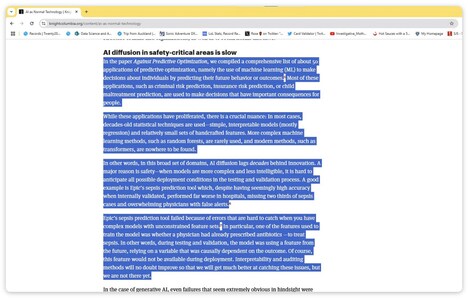
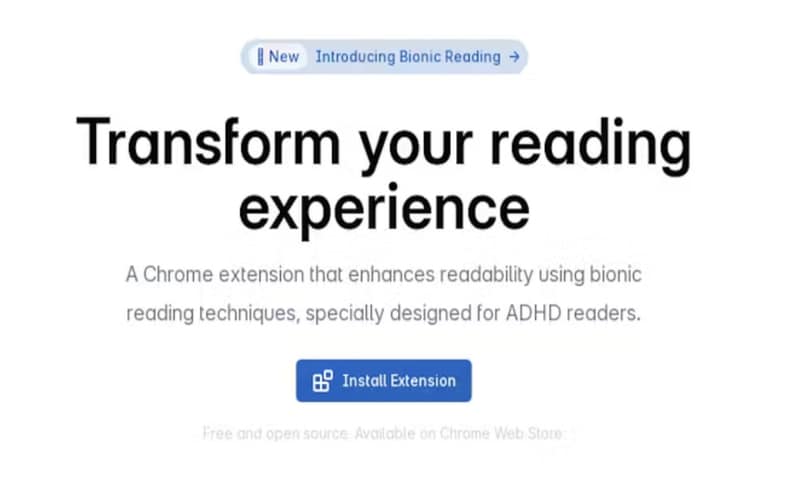
Bionic Reading is a browser-based tool that modifies text presentation to support improved reading focus and comprehension. It applies a technique that highlights portions of words, guiding the reader’s eye across text and reducing cognitive load during reading.
Delivered as a Chrome extension, it integrates directly into web pages, allowing users to apply the formatting in real time without altering the underlying content. The tool is often associated with accessibility use cases, particularly for individuals who experience attention-related challenges or reading fatigue. In professional contexts, it can support more efficient information processing by enabling faster scanning and retention of written material. Bionic Reading reflects broader trends in adaptive user interfaces, where content presentation is tailored to cognitive preferences, improving usability and engagement across digital reading environments.
Image Credit: Bionic Reading
Key Themes Behind This Trend
- Adaptive Typography
- A shift toward typography that adjusts weight, spacing and emphasis based on reader behavior could enable personalized readability layers that transform standard text into cognitive-optimized content.
- Cognitive-guided Formatting
- This trend of aligning visual text cues with attention patterns points to interfaces that interpret cognitive load and present selectively emphasized word segments for faster comprehension.
- Real-time Content Augmentation
- Emerging browser-level augmentation that overlays presentation metadata on live pages suggests new models for delivering contextual reading aids without altering source content.
Where This Applies
- Educational Technology
- Educational platforms stand to be disrupted by integrated reading modalities that tailor lesson text to individual attention profiles, improving retention and assessment accuracy.
- Accessibility Technology
- Assistive-tech ecosystems may be transformed through lightweight formatting engines that provide customizable visual support for neurodiverse readers across devices.
- Publishing and Media
- Newsrooms and digital publishers could adopt layered text presentations that preserve original articles while offering consumers multiple readability modes and new monetizable experiences.