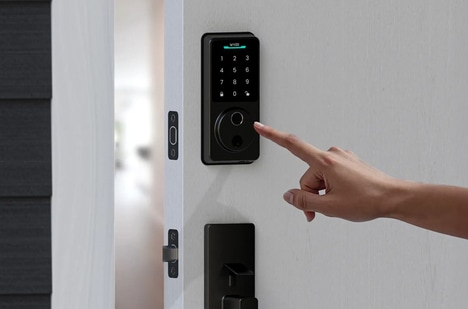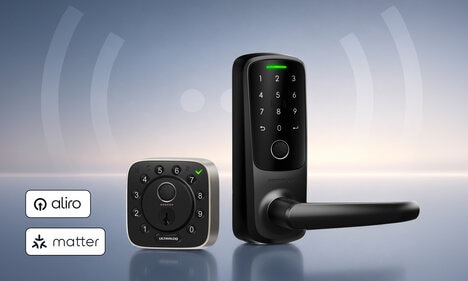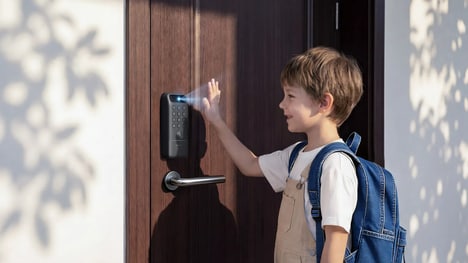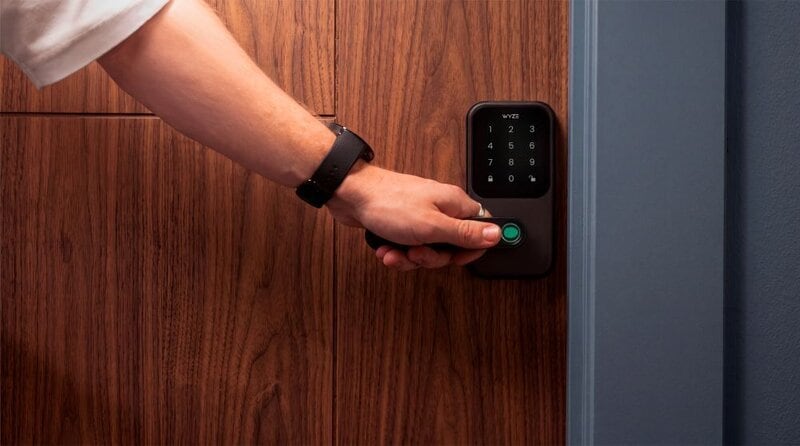
Biometric smart door handles are expanding home security options as Wyze introduces its Lever Lock for entrances without traditional deadbolts. Designed for garages, offices, and side doors, the device combines fingerprint recognition with a standard lever handle, allowing users to unlock doors in under half a second without installing additional hardware.
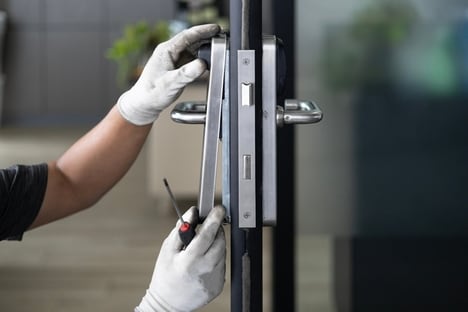
The lock fits existing single-bore doors and requires only a screwdriver for installation. Built-in Wi-Fi enables remote monitoring and access management without subscription fees or separate hubs. Users can register up to 50 fingerprints and create 50 customizable entry codes, while eight AA batteries provide up to 12 months of operation under typical conditions.
For Wyze, the $99.98 product creates opportunities to reach homeowners seeking affordable security upgrades. Its straightforward installation and compatibility with existing smart home devices could encourage broader adoption of connected security technology.
Image Credit: Wyze
Key Themes Behind This Trend
- Secondary-entry Biometrics
- Fingerprint-enabled access is moving beyond front doors into garages, offices, and side entrances, creating room for security products tailored to overlooked residential access points.
- No-hub Smart Security
- Built-in Wi-Fi and subscription-free controls are reducing setup complexity, opening opportunities for connected home devices that avoid proprietary ecosystems and recurring fees.
- Retrofit Access Upgrades
- Single-bore compatibility and screwdriver-only installation highlight growing demand for smart security products that modernize existing doors without professional installation or structural changes.
Where This Applies
- Home Security
- Affordable biometric locks broaden the market for advanced access control, giving security brands new ways to serve homeowners seeking convenient protection for non-primary entrances.
- Smart Home Technology
- Interoperable connected locks strengthen the appeal of whole-home automation, with innovation potential in simplified device management, remote permissions, and cross-platform access.
- Residential Hardware
- Traditional door hardware is evolving into connected infrastructure, creating opportunities for manufacturers to embed digital identity features into familiar mechanical formats.