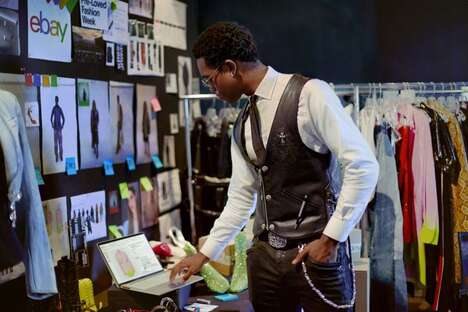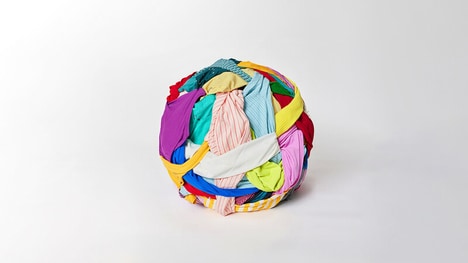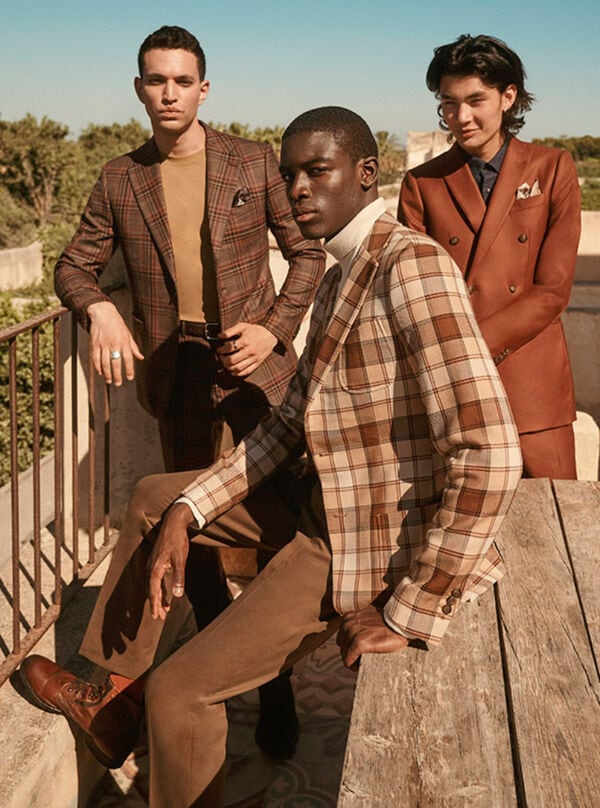

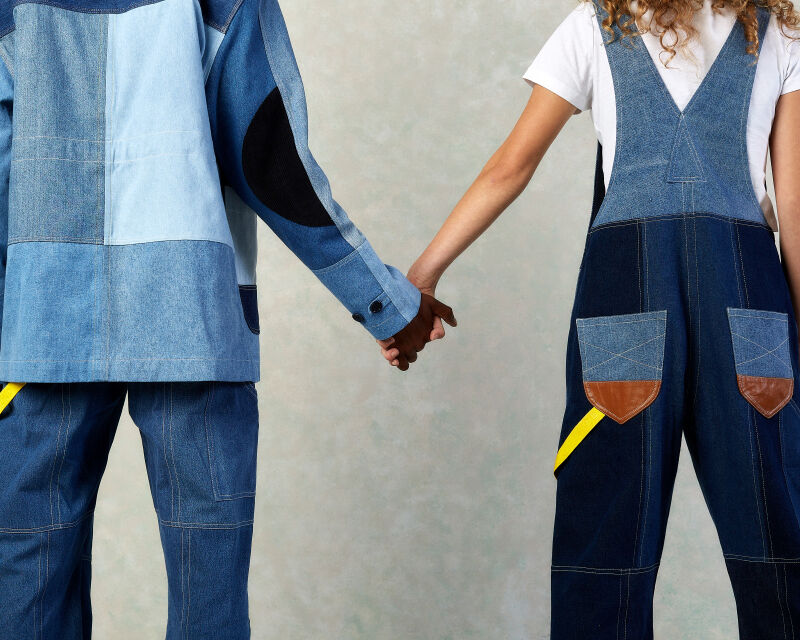
The creative minds behind vintage clothing retailer Beyond Retro have announced the launch of Beyond Remade, a sustainable clothing brand consisting of one-of-a-kind second-hand garments. In addition, every piece offered by the new sub-label is made from single fibers, enabling customers to build truly circular wardrobes this fall.
"Sustainability is more than just a buzzword, it’s our foundation," said the company in a recent press statement. In particular, the brand is interested in offering truly timeless pieces; not items that play into hot trends or fads. Because of this, the brand can effectively sidestep the planet-harming pitfalls of fast fashion while providing customers with unique pieces that can last a lifetime.
For those interested, Beyond Remade is set to drop its first collection sometime in the coming months, which will be sold via its website Beyondremade.com.
Image Credit: Beyond Remote
What Makes This Trend Stand Out
- Upcycled Clothing Fashion
- The upcycled clothing trend offers an opportunity to create new, sustainable fashion collections from vintage or second-hand garments.
- Circular Wardrobe
- The circular wardrobe trend aims to reduce waste and promote sustainable fashion through the use of single-fiber garments that can be easily recycled or repurposed.
- ”beyond Remade” Sub-label
- The launch of Beyond Remade shows an opportunity to capitalize on a growing trend of conscious consumers looking for unique sustainable pieces.
Sectors Adopting This
- Fashion Industry
- The fashion industry can use the upcycled clothing and circular wardrobe trends as a disruptive innovation opportunity to increase sustainability and reduce the environmental impact of fast fashion.
- Retail Industry
- The Retail industry can offer their own upcycled clothing brand as an eco-friendly option for consumers while also reducing their environmental footprint.
- Textile Industry
- The Textile industry can develop new sustainable fabrics and circular production methods as an answer to consumer demand for sustainable fashion.