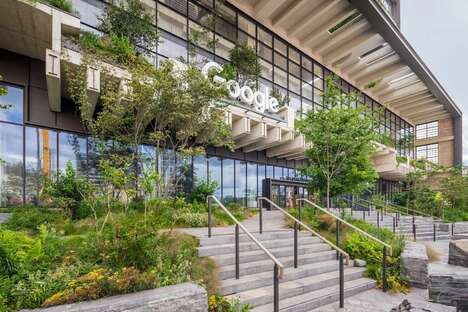
The Bay Area Housing shortage is an issue that has been proliferating, so severely that Google's CEO stated the company's intentions to "build a more helpful Google." The tech giant will bring this help in the form of a large investment. Many residences in the area have placed blame for the housing crisis on large tech companies that have moved into the area. Google looks to help the situation with a billion dollar investment to help alleviate the Bay Area housing shortage.
A sizeable portion of $750-million will be used for repurposing Google Commercial land for residential purposes. This will create up to 15,000 new homes to be available to people of all income levels. Another $250 million will be used to provide incentives for developers to build housing units. Lastly, the company will be increasing its donations to non-profits that help the homeless.
Image Credit: Google
Why This Trend Is Growing
- Bay Area Housing Shortage
- Investment in repurposing commercial land for residential purposes presents an opportunity for disruptive innovation in addressing the Bay Area housing shortage.
- Tech Company Investments
- Increasing investments by tech companies to alleviate housing crises can lead to disruptive innovation in the housing industry.
- Non-profit Support
- Greater support from companies to non-profits assisting the homeless opens up opportunities for disruptive innovation in addressing homelessness.
Industries Being Reshaped
- Real Estate
- The real estate industry can benefit from the investment in repurposing commercial land and the construction of new housing units.
- Technology
- The technology industry can explore disruptive innovations in housing technology solutions to tackle housing shortages.
- Non-profit & Social Services
- Non-profit and social service industries have an opportunity to leverage increased support in addressing the homelessness crisis.