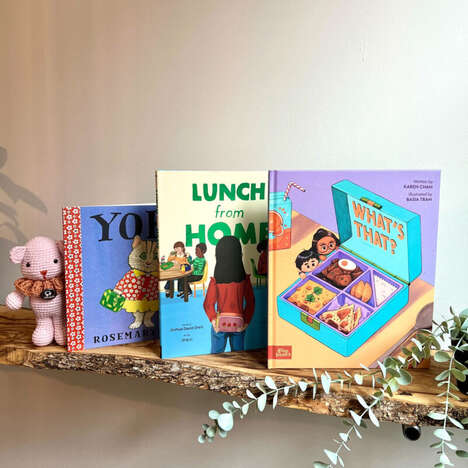

The American Speech-Language-Hearing Association (ASHA) has released Back-To-Cafeteria guidance to assist families in managing the challenges some children face when eating at school.
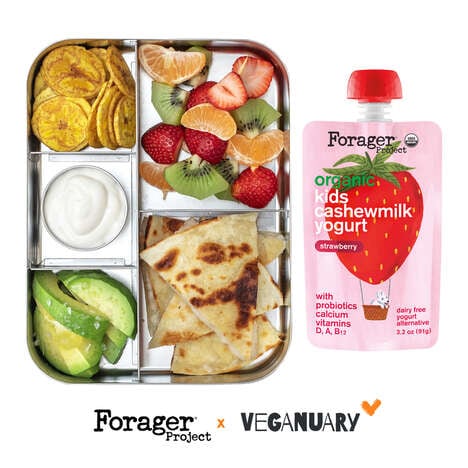
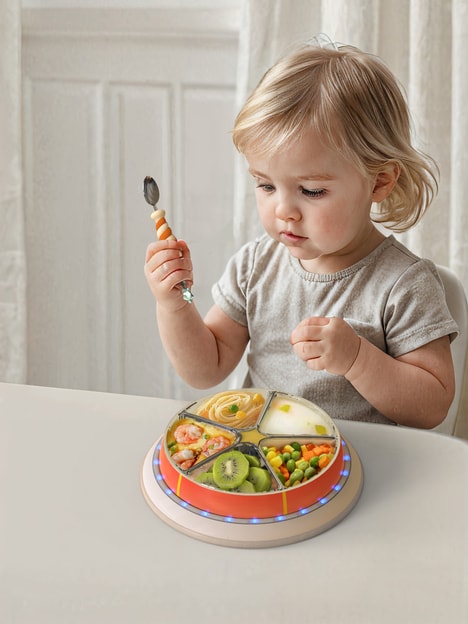
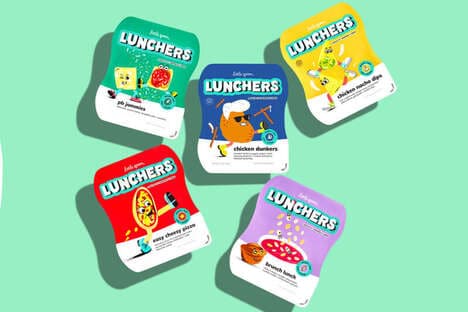
For children who struggle with eating, whether due to picky eating habits or more complex feeding and swallowing disorders, school cafeterias can be a daunting environment. These difficulties can be exacerbated by sensory issues, time limitations, and dietary restrictions imposed by schools. ASHA offers practical strategies for parents to help their children navigate these challenges. These include allowing children to choose their lunch gear and food, practicing eating within the school’s time constraints, and involving children in the preparation and selection of their meals. The goal is to make eating at school less stressful and more manageable, ensuring that children receive the nutrition they need to support their learning and development.
Image Credit: American Speech-Language-Hearing Association
Why This Trend Is Growing
- Sensory-friendly Cafeteria Solutions
- Innovative approaches to designing cafeteria spaces that accommodate children with sensory issues can transform the lunchroom experience.
- Customizable Lunch Gear
- Introducing customizable lunch gear that appeals to children's preferences can make mealtime more appealing and reduce anxiety.
- Dietary-inclusive School Programs
- Creating school meal programs that consider various dietary restrictions can enhance inclusivity and support diverse nutritional needs.
Industries Being Reshaped
- Educational Tools
- Developing educational tools and resources for parents can empower them to better support their children's eating habits.
- Children's Nutrition
- Focusing on children's nutrition services tailored to individual needs can foster better learning environments.
- School Supplies
- The school supplies industry can innovate by offering products designed to ease the mealtime experience for students with eating challenges.