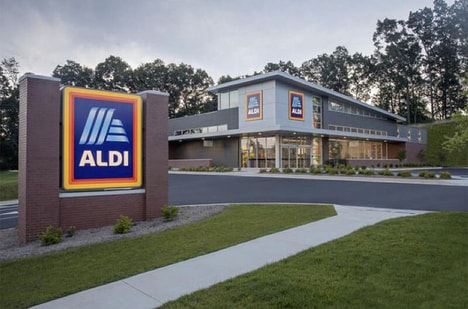
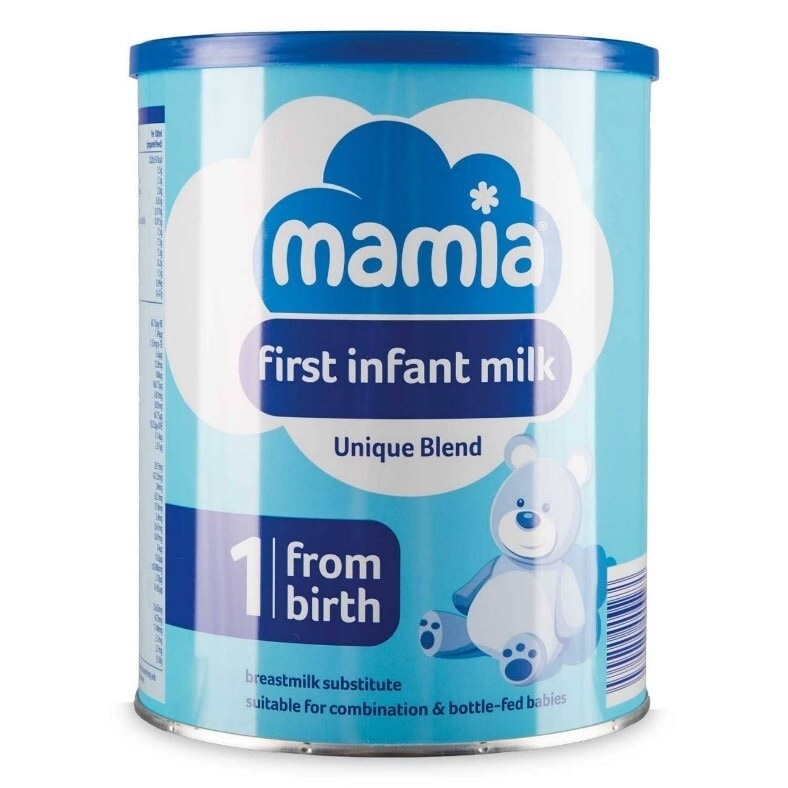
The ALDI baby formula price freeze is being run by the discount retailer in the UK as part of an initiative to save parents some money when it comes to essential costs. The initiative comes in response to increasing costs of everyday essentials and will save parents roughly £5 when compared to the average price point in other retailers. The discount initiative will be running through the end of 2026 and will see the brand keeping the price point of its Mamia First Infant Milk at £6.99 to help parents better manage finances.
Chief Commercial Officer Julie Ashfield commented on the ALDI baby formula price freeze saying, "We know that every penny counts for parents, particularly during those early years, which is why we’re committed to keeping this essential product accessible and affordable.”
What's Driving This Trend
- Price-locked Essentials
- Long-term price guarantees on household necessities create room for retailers to differentiate through financial predictability and trust-based value propositions.
- Affordable Infant Nutrition
- Budget-focused baby formula programs highlight opportunities for lower-cost private-label products that compete on accessibility without sacrificing perceived quality.
- Family-centric Retail Loyalty
- Retailers supporting parents through essential cost relief can strengthen loyalty ecosystems built around recurring needs, savings visibility, and life-stage relevance.
Who This Affects Most
- Discount Retail
- Fixed-price essential goods strategies position discount grocers to disrupt traditional supermarkets by turning affordability commitments into a competitive advantage.
- Baby Care
- The infant care market is being reshaped by value-driven offerings that address parental cost pressures while maintaining confidence in safety and nutrition.
- Consumer Packaged Goods
- Private-label packaged goods have expanded potential to challenge branded incumbents through transparent pricing, essential product access, and retailer-owned trust.