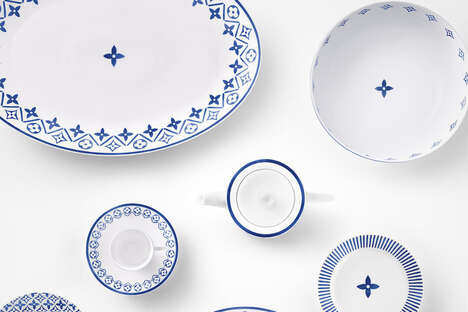
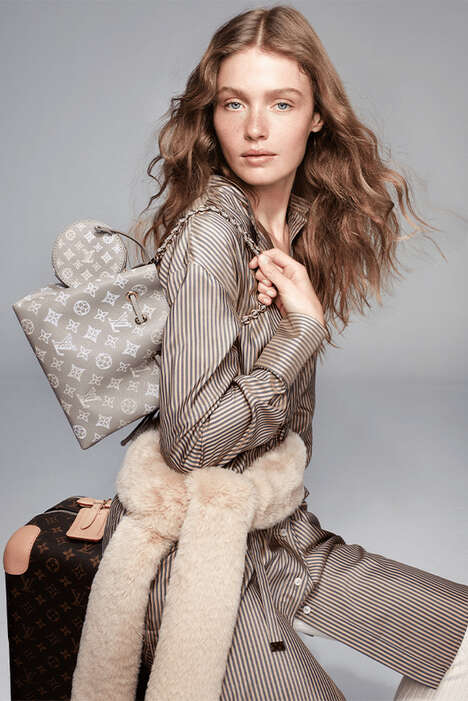
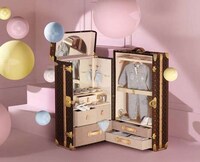
Luxe French fashion house Louis Vuitton presents its first Baby Collection with a wide range of apparel, accessories, iconic trunks, and even teddy bears. The capsule is designed for those that are aged between three to 12 months with a color palette that is full of pastels.
This includes tones of grey, white, beige, blue, and pink in the form of onesies, coats, knitwear, pajamas, co-ords, socks, beanies, and shoes. In addition to the wearables, the fashion house also offers unique items including a special Louis teddy bear, knitted blankets, a silver rattle, a special baby wardrobe in the shape of the aforementioned trunks, and a silver tumbler. All of the items are made with circularity in mind, drawing materials that have been responsibly sourced.
Image Credit: Louis Vuitton
What's Driving This Trend
- Luxury Baby Markets
- Disruptive innovation opportunities include the development of high-end baby products and accessories for those with a higher disposable income.
- Sustainable Baby Fashion
- Disruptive innovation opportunities include the creation of more environmentally-friendly and ethically-sourced baby clothing and accessories, catering to conscious consumers.
- Designer Toy Collections
- Disruptive innovation opportunities include the creation of high-end, designer baby toys and playthings for those seeking luxury items for their children.
Who This Affects Most
- Fashion
- The fashion industry can capitalize on the trend by creating luxury fashion lines targeted at babies and toddlers.
- Toys
- The toy industry can capitalize on the trend by expanding high-end toy and plaything collections for babies and toddlers from designer labels.
- Retail
- Traditional retail stores can capitalize on the trend by offering an expanded selection of high-end baby and toddler merchandise, including designer clothing and accessories.