Augur, a London startup, launched a platform that applies AI to existing cameras and sensors to give operators real-time threat intelligence, featuring software that integrates with legacy surveillance hardware. The company announced the $15 million seed round led by Plural to accelerate deployments and product development after debuting in 2024.
The system was built by founders with public-sector and defence-tech experience and was described as compatible with transport hubs, stadiums, and power-station sensor networks, with early, unnamed deployments in the UK. Investors cited rising sabotage risks and new regulations such as the Terrorism (Protection of Premises) Act 2025 as drivers for demand.
For operators, Augur promises faster situational awareness without replacing cameras, aiming to turn passive feeds into actionable alerts that shorten response times. If proven in live incidents, the approach aligns with a broader trend of retrofitting AI onto existing critical-infrastructure systems to meet compliance and resilience needs.
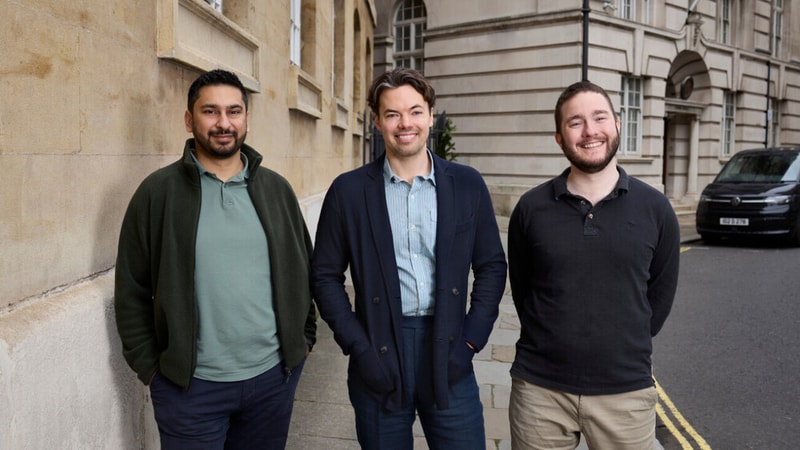
Image Credit: Augur
Key Themes Behind This Trend
- AI Retrofitting for Legacy Sensors
- Legacy camera and sensor networks being upgraded with AI inference layers creates potential for low-cost modernization that preserves existing hardware while delivering new automated analytics.
- Real-time Threat Intelligence
- Augmented situational awareness from continuous, low-latency processing of video and sensor streams enables systems to surface contextualized, prioritized alerts that can reshape operational decision-making.
- Regulation-driven Security Modernization
- New mandates around terrorism protection and critical-infrastructure resilience are catalyzing demand for integrated software that demonstrates compliance and measurable risk-reduction outcomes.
Where This Applies
- Transport Hubs
- Applying AI overlays to existing surveillance at airports and stations has the potential to reduce disruption by identifying safety hazards and suspicious behavior earlier across complex, high-traffic environments.
- Stadiums and Venues
- Crowd-management and threat-detection capabilities derived from real-time analytics could transform venue operations by enabling contextual crowd flow insights and incident triage without new camera deployments.
- Energy and Utilities
- Retrofitted sensor intelligence on power stations and grid infrastructure offers prospects for faster detection of sabotage, abnormal conditions, and equipment anomalies that enhance resilience.