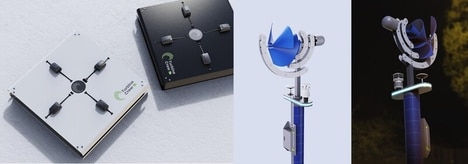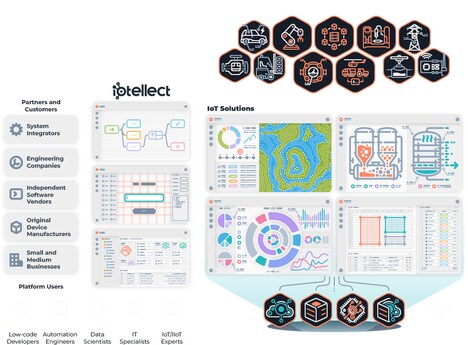
The Transit Tech Lab unveiled an 18-company cohort focused on modernizing New York City transit infrastructure through AI, sensors and predictive maintenance technologies. Startups including Cyvl, Delphisonic, Ontra Mobility and Viatec are deploying tools that use cameras, motion sensing and operational analytics to detect potholes, monitor railcar health, predict ridership demand and reduce construction-related emissions and noise.
Several participants are integrating machine learning with municipal fleets and transit systems to replace manual inspections and improve infrastructure visibility through searchable condition maps and real-time diagnostics. The initiative pairs startups with agencies such as the MTA and New York City Transit Authority for proof-of-concept deployments backed by the Partnership Fund for New York City.
For commuters and city agencies, the technologies aim to reduce delays, accelerate maintenance response and improve infrastructure reliability by turning everyday transit assets into continuous data-collection platforms. The program reflects broader adoption of sensor-driven, AI-assisted urban operations and predictive public infrastructure management.
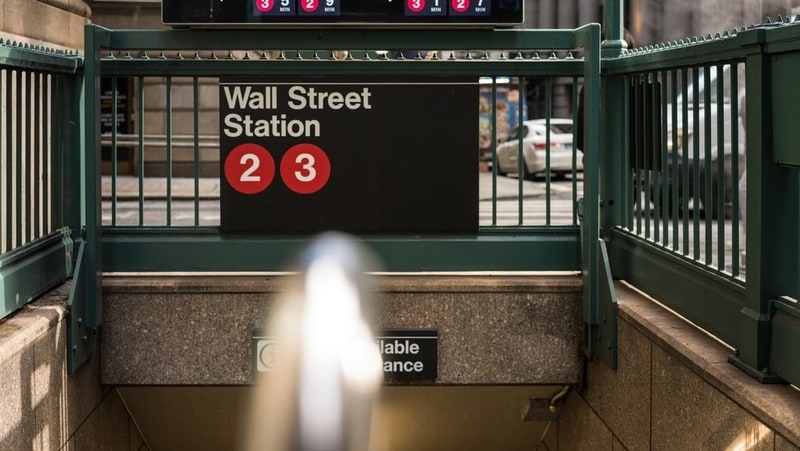
Image Credit: Shutterstock/Mikroflix
Why This Trend Is Growing
- Sensor-driven Predictive Maintenance
- A proliferation of embedded sensors and ML models enabling continuous condition monitoring of transit assets that can preempt failures and optimize maintenance cycles.
- Real-time Transit Asset Digitization
- Transforming physical infrastructure into searchable, up-to-date digital twins that enable granular visibility of network health and lifecycle status.
- AI-augmented Fleet Inspections
- Combining computer vision and motion sensing to replace manual inspections with automated diagnostics that scale across municipal vehicle and rail fleets.
Industries Being Reshaped
- Public Transit Agencies
- Municipal operators increasingly relying on integrated AI platforms and sensor networks to improve service reliability and reduce downtime across routes.
- Urban Infrastructure Management
- City agencies adopting data-centric asset management systems that consolidate sensor feeds, predictive analytics and condition mapping for capital planning.
- Transportation Equipment Manufacturers
- OEMs incorporating smart sensors and edge AI into rolling stock and equipment designs to enable remote health monitoring and extended asset lifespans.