Texas has demonstrated its commitment to inclusive technology solutions through coordinated statewide programs supporting National Assistive Technology Awareness Day. The initiative highlights how specialized tools — ranging from adaptive hardware to communication software — serve as essential bridges to independence rather than optional amenities for residents with disabilities and aging populations.
Three primary agencies form the backbone of these services. The Texas Technology Access Program, for example, facilitates hands-on testing and temporary use of devices. The Education Agency, on the other hand, integrates these technologies into academic environments. Finally, the Workforce Commission's vocational rehabilitation division aligns assistive tools with employment objectives.
This multi-pronged approach addresses life participation across education, career development, and daily living, reflecting a comprehensive understanding of accessibility needs throughout different life stages.
What Makes This Trend Stand Out
- Adaptive Hardware Solutions
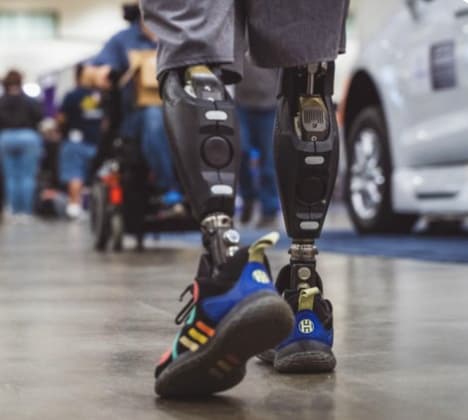
- Developments in adaptive hardware offer transformative possibilities for individuals with disabilities, empowering them with essential tools for independence.
- Communication Software Innovation
- Emerging communication software platforms are revolutionizing how aging populations and those with disabilities interact with their environments and communities.
- Integrated Technology in Education
- The integration of assistive technologies into educational settings is changing how students with disabilities access learning, providing tailored educational experiences.
Sectors Adopting This
- Assistive Technology Development
- As demand grows for inclusive solutions, the assistive technology development industry is poised for innovation, especially in creating specialized, user-friendly devices.
- Vocational Rehabilitation Services
- The vocational rehabilitation sector is increasingly aligning with technological advancements to enhance employment opportunities for people with disabilities.
- Elder Care Support Industry
- Technological integration within the elder care industry is advancing, allowing aging populations to maintain independence through accessible digital tools.