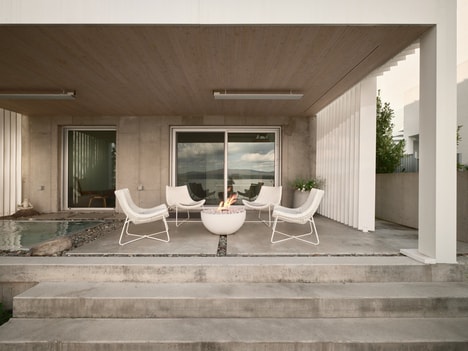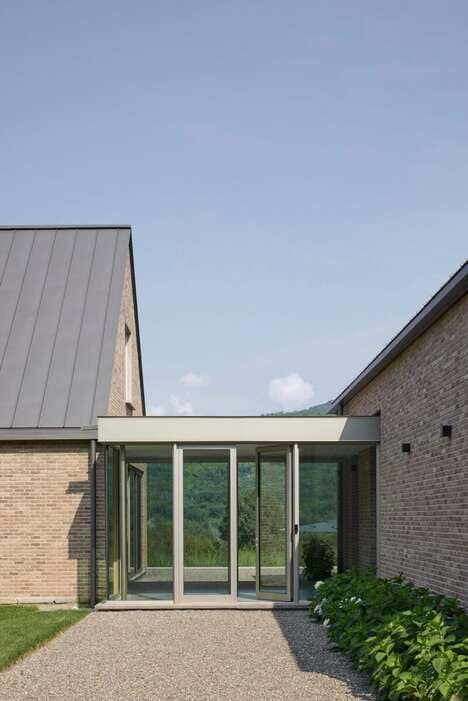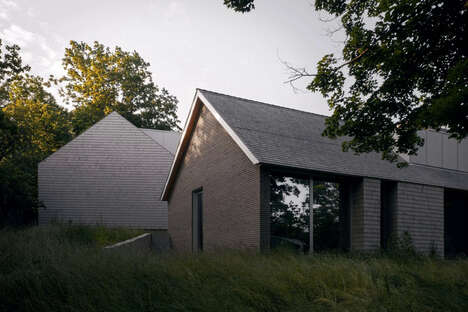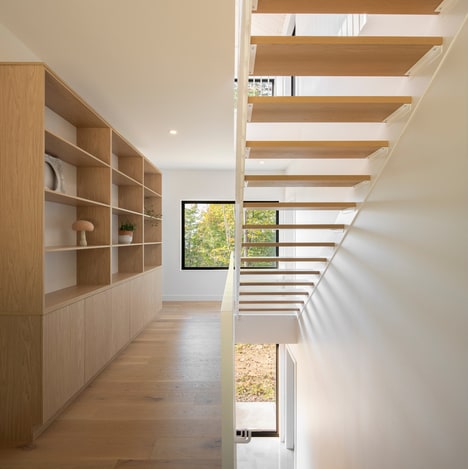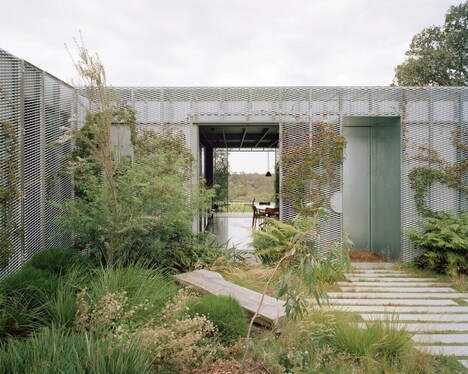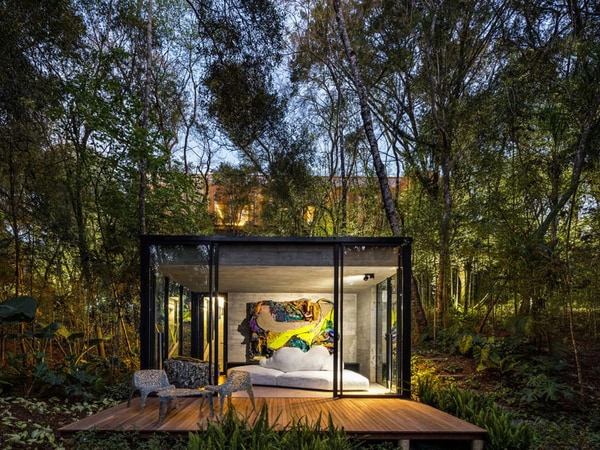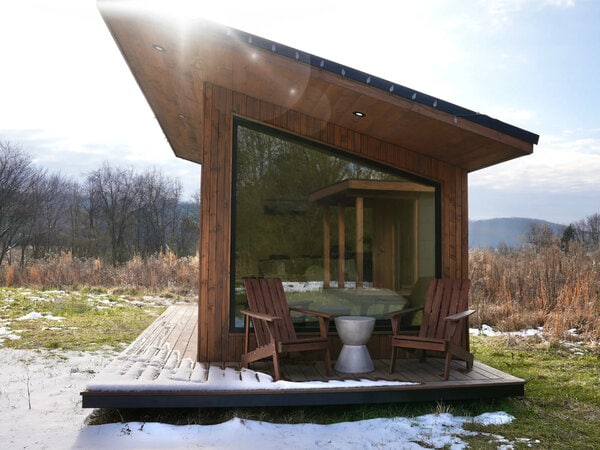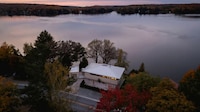
While architects always aim to seamlessly integrate concrete, wooden or mixed material buildings into mesmerizing and lush landscapes without needlessly disrupting or making changes to natural sites, Alain Carle Architecte constructs a minimalist and low-key brutalist-inspired house in rural Ontario that complements the artificial landscape. Located in Cornwall, Canada and dubbed 'True North,' the non-invasive design of the residence ties into its man-made surroundings.
The artificial landscape was created in the mid 20th century, as the Saint Lawrence Seaway was opened. Alain Carle Architecte successfully highlights and brings out the inherent quality of the site. Through the decisive approach to artificiality, the architects are able to "re-inscribe the human experience in the most straightforward way possible."
Key Themes Behind This Trend
- Site-complementing Designs
- Architects are exploring design approaches that integrate man-made structures with artificial landscapes.
- Non-invasive Design
- Minimalist designs that do not unnecessarily disturb natural environments are becoming more popular.
- Brutalist Inspiration
- Architects are drawing inspiration from brutalist design principles for their site-complementing designs.
Where This Applies
- Architecture
- Architecture firms can leverage site-complementing designs to win environmentally conscious clients.
- Construction
- Construction companies can offer non-invasive construction approaches and materials to appeal to eco-conscious consumers.
- Urban Planning
- Urban planning departments can adopt site-complementing design strategies to minimize the impact of new developments on natural environments.