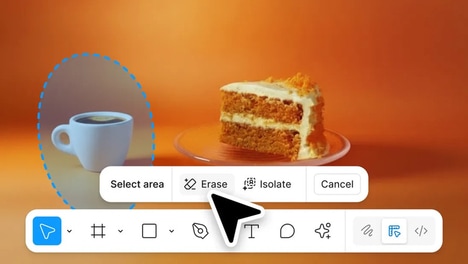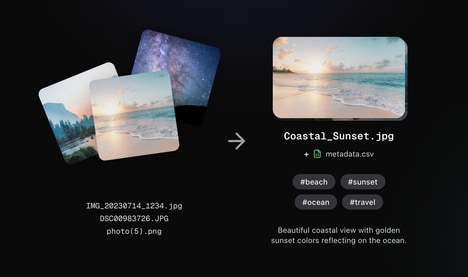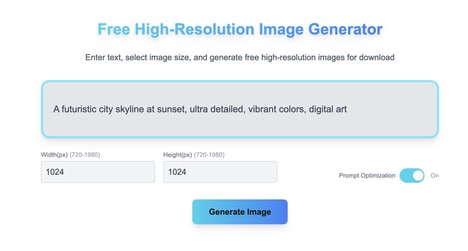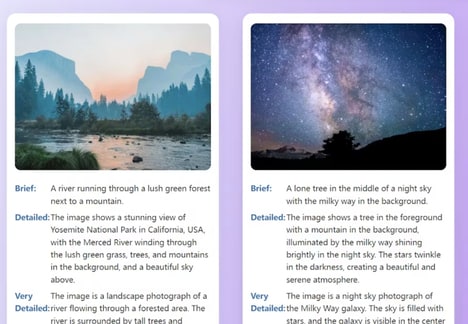
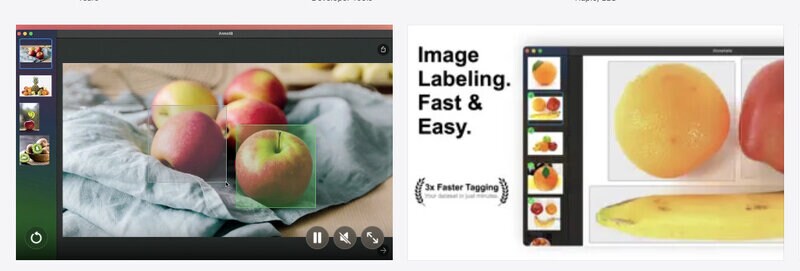
Labelling images for object detection datasets can be a slow and repetitive part of training computer vision models. Annot8 is an image annotation tool that is designed to speed up the process with drag-and-drop uploads, keyboard shortcuts, and quick exports.
The platform focuses on making it easier to create the labelled datasets needed to train vision models. Its streamlined workflow can help users spend less time navigating annotation software and more time preparing their data. Annot8 is particularly useful for developers and researchers working on computer vision projects. By simplifying common labelling tasks, the tool aims to make dataset preparation faster and less frustrating.
It provides a straightforward workflow for turning raw images into organised, ready-to-use training data for computer vision projects.
What's Driving This Trend
- Accelerated Data Labelling
- Streamlined annotation workflows reduce the friction of preparing training datasets, creating space for faster computer vision experimentation and model iteration.
- Low-friction AI Tooling
- Simplified interfaces with shortcuts, drag-and-drop inputs, and quick exports make advanced machine learning preparation more accessible to smaller technical teams.
- Dataset Workflow Automation
- Automated and semi-automated preparation tools are reshaping how raw visual assets become structured data for scalable AI development.
Who This Affects Most
- Computer Vision
- Faster image tagging platforms support more efficient object detection development across security, retail, manufacturing, and mobility applications.
- Machine Learning Software
- Purpose-built dataset tools are expanding the software stack around AI model training by solving bottlenecks before algorithms are deployed.
- Research Technology
- Academic and commercial research teams benefit from annotation systems that compress repetitive preparation tasks and improve dataset readiness.