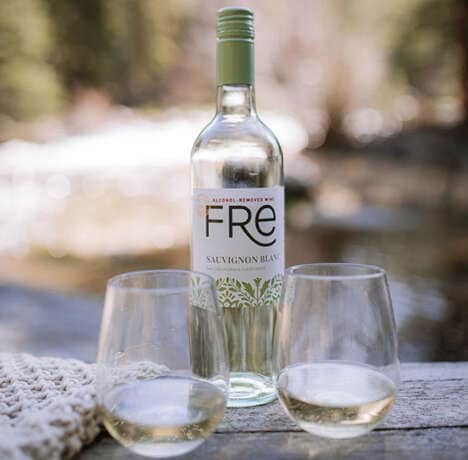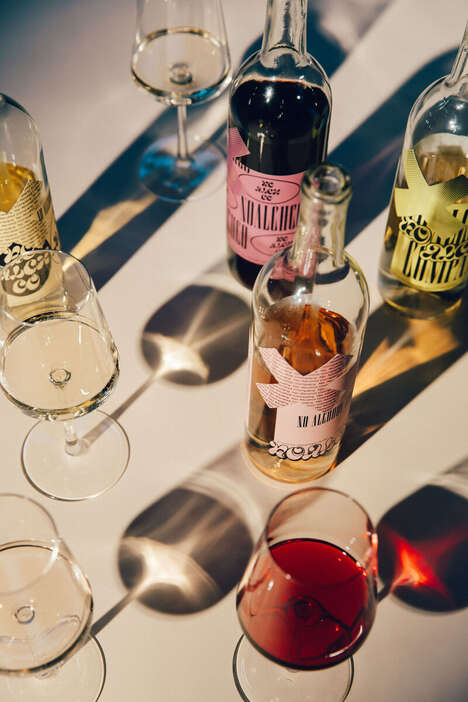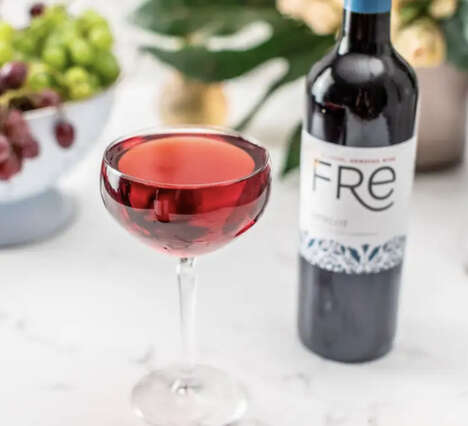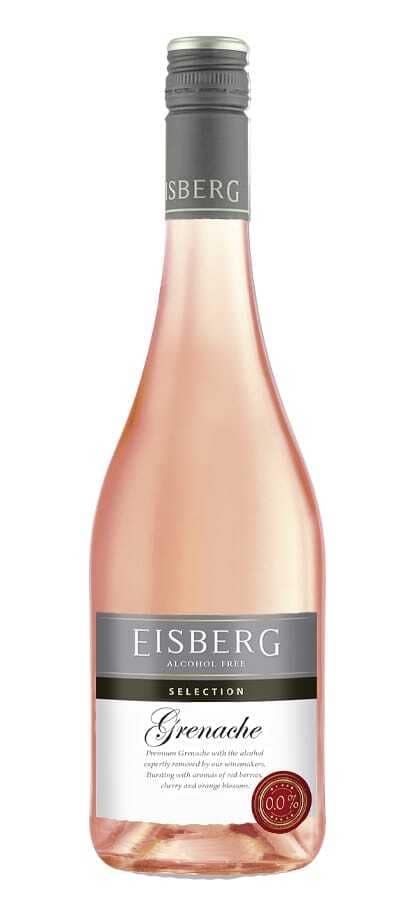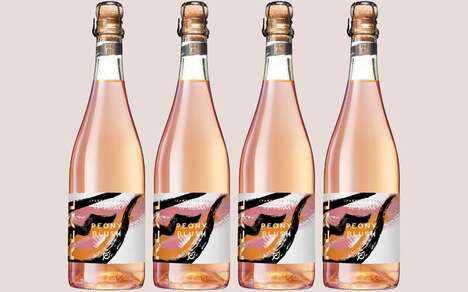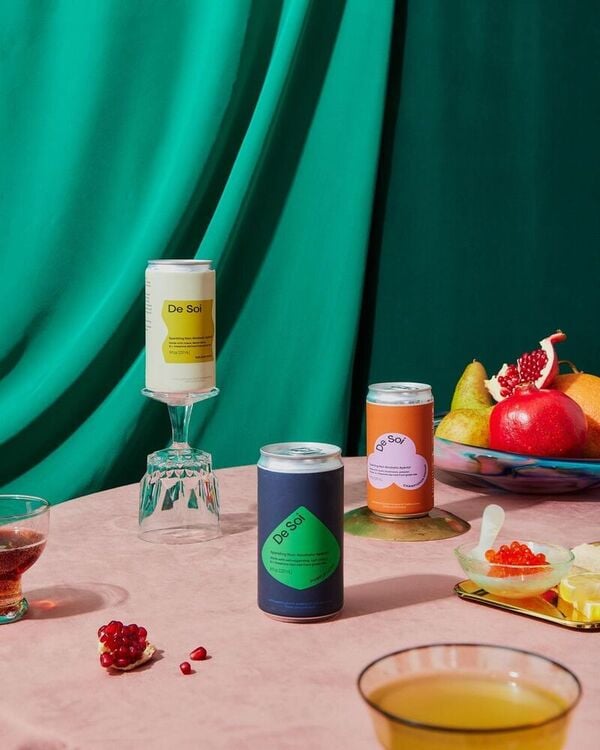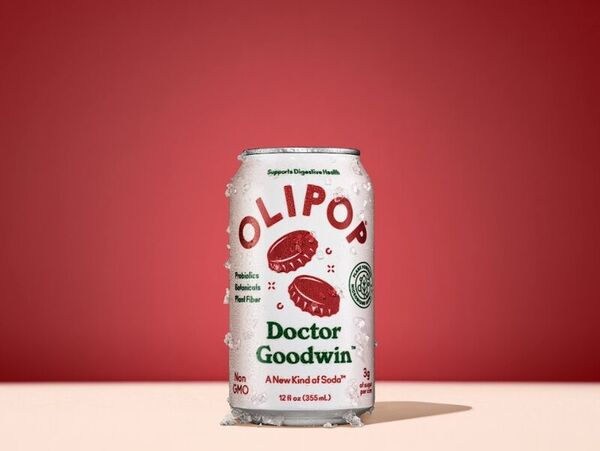
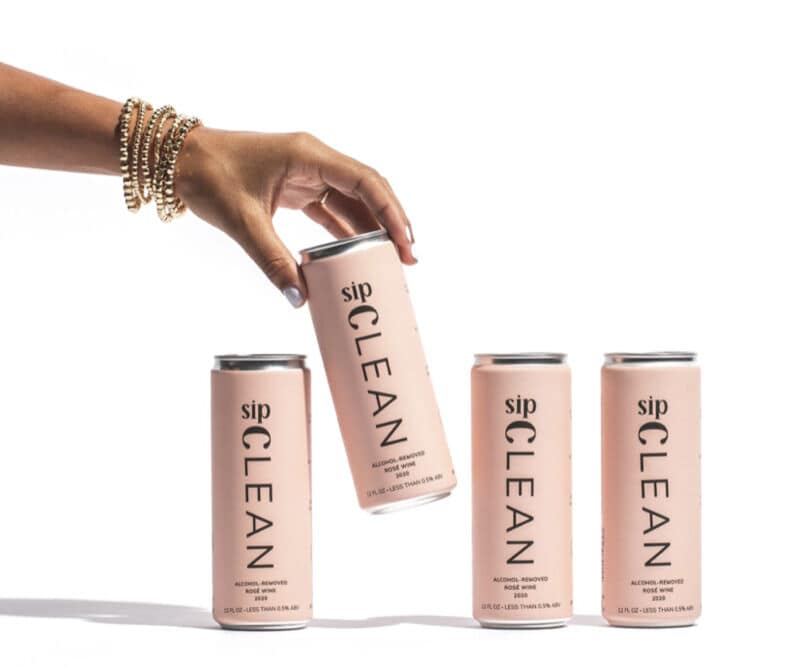
With its Alcohol-Removed Rosé and other types of wine that follow the same principle, SipClean is jumping on the no-alcohol wellness movement. The brand offers a range of tasty beverages for individuals who have pledged to be designated drivers, are taking a break from drinking, or simply don't drink at all.
The Alcohol-Removed Rosé by SipClean is offered in a minimalist and aesthetically pleasing can. Each beverage has about 40 calories and only three grams of sugar. SipClean states that 12oz of its Alcohol-Removed Rosé is equal to two 6oz pours of wine. Alongside the fresh strawberries and stone fruits that dominate the flavor of the beverage, a "crisp minerality with a dry finish" also manifests.
Image Credit: SipClean
What's Driving This Trend
- Non-alcoholic Beverages
- As more people embrace no-alcohol wellness, there is a growing demand for nuanced non-alcoholic beverages that offer the same taste experiences as alcoholic beverages.
- Minimalist Packaging
- Minimalist and aesthetically pleasing packaging designs offer companies an opportunity to stand out from the crowd while also appealing to consumers' desire for simplicity and elegance.
- Low-calorie and Low-sugar Options
- Offering drinks with lower sugar and calorie content can appeal to health-conscious consumers and those who are looking to limit their sugar and calorie intake, thereby creating a unique selling proposition.
Who This Affects Most
- Beverage Industry
- The beverage industry is ripe for disruption as consumers demand healthier and more nuanced options that are both delicious and alcohol-free.
- Wellness Industry
- As consumers increasingly prioritize health and wellness, there is an opportunity for companies to create more nuanced and innovative products and services that meet these evolving needs.
- Food Packaging Industry
- As consumers increasingly demand simplicity and elegance, there is an opportunity for companies in food packaging to design minimalist and aesthetically pleasing packages that stand out in a crowded market.