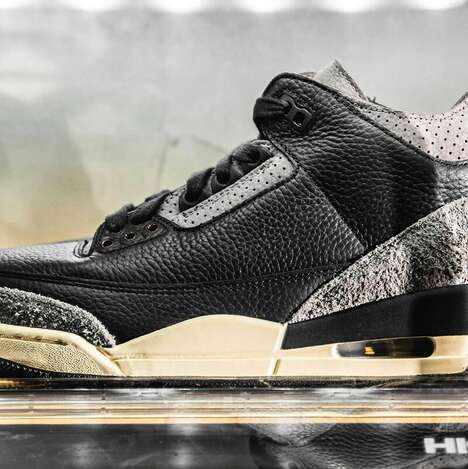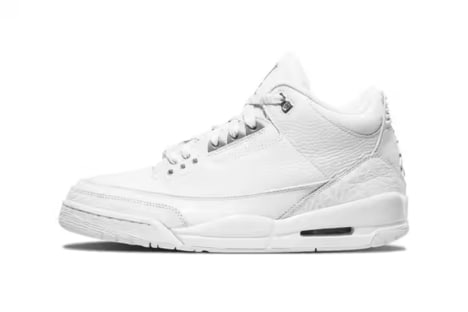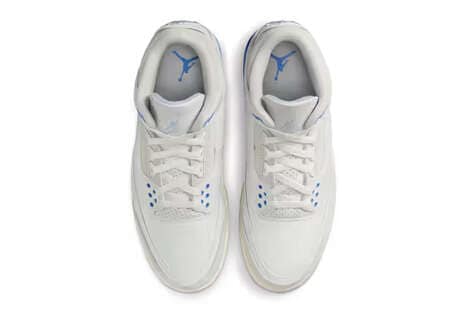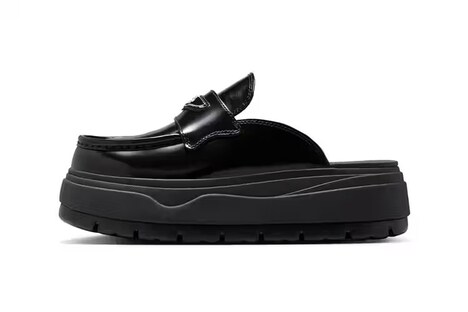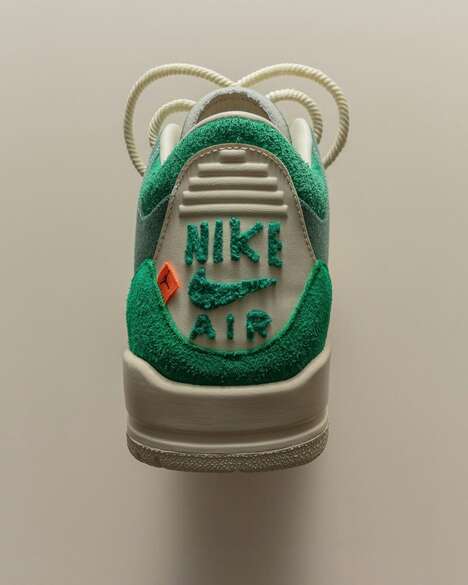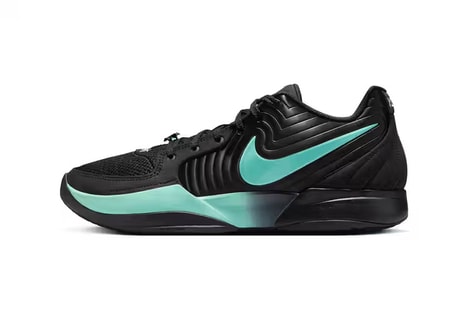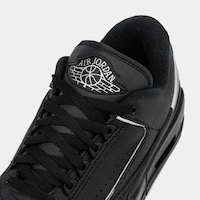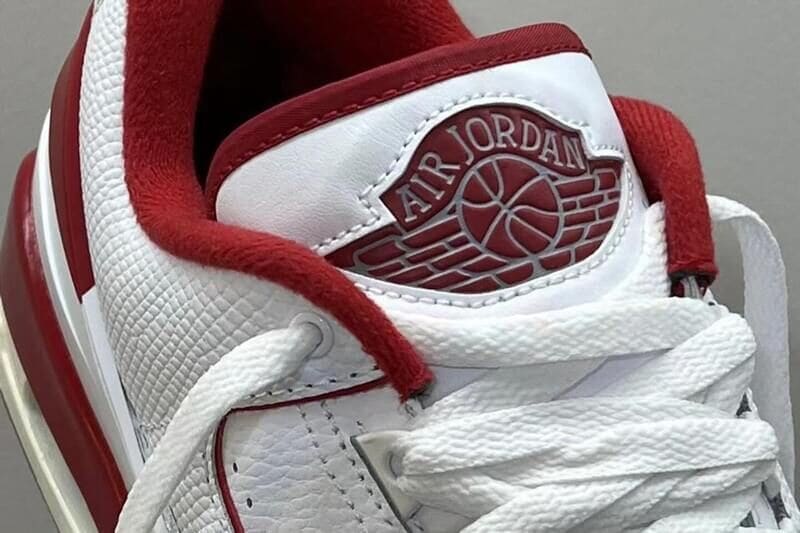
Nike's Jordan Brand releases a look at its latest sneaker model: the Air Jordan 2/3 silhouette is a blend of the brand's own Jordan 1 and Jordan 3 designs. The upper is made up of smooth and textural leather with a slight contrast, molded to the soft shape of the Jordan 2 sneaker.
It also keeps some of the more luxe accents from the original shoe including the perforated holes and classic 3D ripples that decorate the heel. The Air Jordan 2/3's base foundation highlights Jordan 3's notable sole unit, which has the Nike Air at the heel. Additionally, the rubber foundation is adorned with vintage-like accents to evoke an aged look similar to the brand's Reimagined sneakers.
Image Credit: KicksDong
What's Driving This Trend
- Hybrid Sneaker Designs
- Combining elements from different sneaker models to create unique, innovative designs leverages nostalgic appeal and modern functionality.
- Vintage Aesthetic Revival
- Incorporating vintage-like accents into new products taps into the growing consumer desire for items that evoke a sense of nostalgia.
- Textural Material Blends
- Utilizing a mixture of smooth and textural leathers in product design creates a sophisticated, multidimensional appearance that attracts fashion-forward consumers.
Who This Affects Most
- Footwear
- The footwear industry is ripe for innovation through hybrid designs, blending favored elements from multiple sneaker models to create fresh and desirable products.
- Fashion
- Fashion increasingly embraces retro influences, opening opportunities for brands to innovate by infusing vintage aesthetics into contemporary designs.
- Materials Technology
- Advancements in materials technology enable the development of blended textures, enhancing both the functionality and aesthetic appeal of modern footwear.