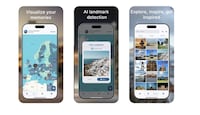
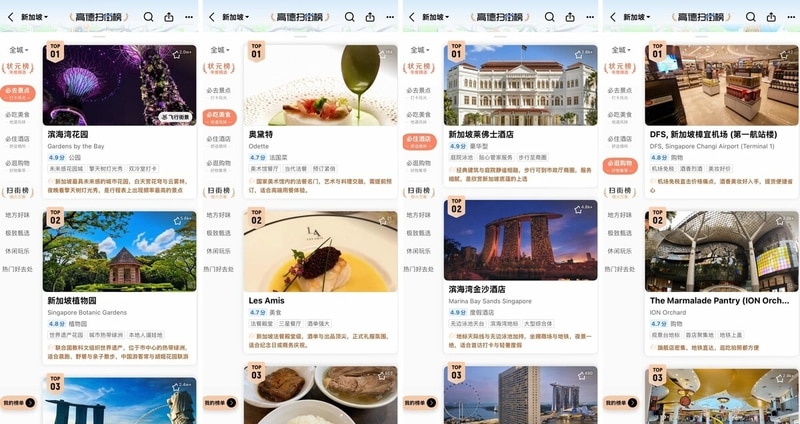
AI-powered travel discovery is reshaping how travelers research and experience destinations before they even arrive. Amap partnered with the Singapore Tourism Board to launch Singapore Street Stars, a destination-ranking system that uses traveler behavior data to highlight attractions, restaurants, hotels, and shopping destinations favored by visitors. The initiative is complemented by Amap Flying Street View, a feature that provides immersive 3D previews of major landmarks, allowing users to explore destinations virtually before planning their itineraries. Together, these tools help travelers move beyond traditional tourist recommendations and uncover more personalized experiences.
This approach reflects growing demand for independent travel and authentic local exploration. By combining behavioral insights with virtual destination previews, tourism organizations can help visitors make more informed decisions while increasing engagement with lesser-known attractions and businesses. Similar platforms could encourage destinations worldwide to adopt data-driven discovery tools that enhance trip planning, distribute tourism activity more evenly, and create richer visitor experiences
Image Credit: Amap
What Makes This Trend Stand Out
- Behavioral-driven Recommendations
- By surfacing attractions based on aggregated traveler behavior, recommendation systems shift influence away from editorial lists toward dynamic, demand-driven discovery models that reshape guest flows and monetization.
- Immersive Virtual Previews
- Photorealistic 3D and street-view experiences enable prospective visitors to evaluate destinations remotely, creating new opportunities for virtual try-before-you-buy offerings and differentiated experiential marketing.
- Personalized Local Exploration
- Hyper-personalized itineraries that combine preference signals with micro-influencer and local-business data encourage niche, off-peak visitation patterns that redistribute tourism value across neighborhoods.
Sectors Adopting This
- Tourism and Hospitality
- Hotels, attractions, and destination marketers face shifting demand dynamics as AI-driven visibility alters competitive positioning and enables tailored guest segmentation beyond traditional star ratings.
- Mapping and Geospatial Technology
- Companies building 3D mapping, real-time capture, and spatial analytics stand to redefine location-based services by embedding immersive previews and contextual overlays into consumer decision journeys.
- Data Analytics and Ad Technology
- Firms that aggregate behavioral signals and transform them into predictive travel insights are positioned to create new advertising and booking ecosystems that tie attention directly to conversion metrics.