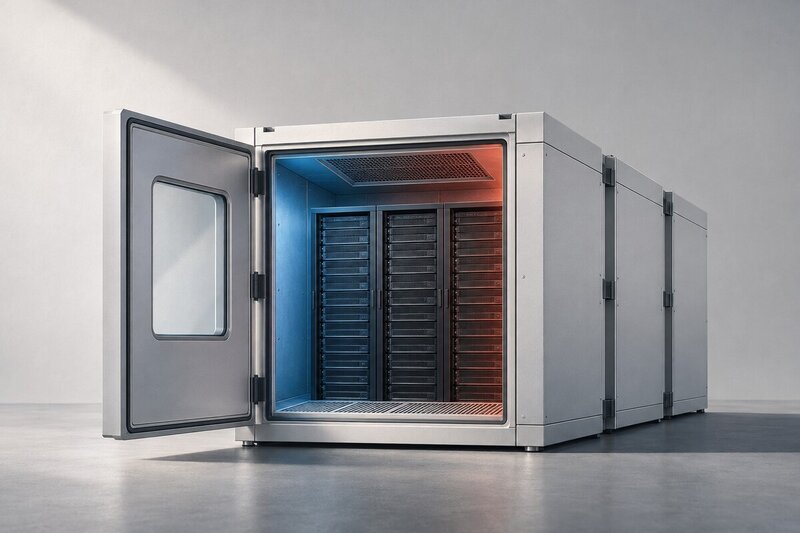
AI data center cooling labs are helping organizations evaluate advanced thermal management systems as Panduit expands its former Thermal Lab into a dedicated AI Cooling Lab. The facility brings multiple cooling technologies together, allowing businesses to explore how different approaches support demanding computing environments while considering their broader infrastructure requirements.
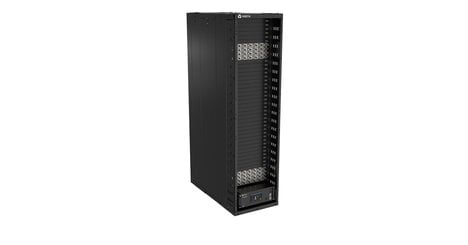
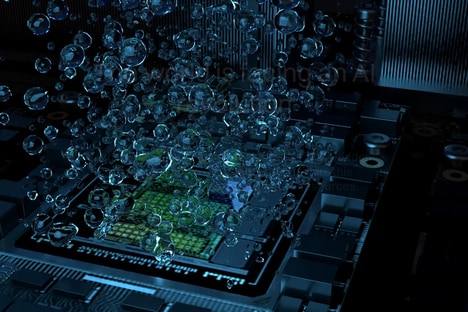
The expanded lab features four cooling methods, including rear-door heat exchangers, single-phase and two-phase direct-to-chip cooling, and immersion cooling. Visitors can compare these systems while examining their relationships with power distribution, equipment cabinets, connectivity, and monitoring. Dedicated discovery sessions also help organizations assess technologies against their specific infrastructure needs.
For Panduit, the facility creates opportunities to strengthen customer relationships and expand its data center services. Businesses could benefit from more informed purchasing decisions, improved infrastructure planning, and greater confidence when selecting cooling solutions for future AI computing demands.
Why This Trend Is Growing
- AI Thermal Testbeds
- Dedicated cooling labs create new market space for validating high-density AI infrastructure before large-scale deployment.
- Liquid Cooling Expansion
- Rising AI workloads are accelerating interest in direct-to-chip and immersion cooling systems that reshape data center design priorities.
- Infrastructure Discovery Sessions
- Consultative evaluation environments give enterprises clearer pathways to align cooling, power, connectivity, and monitoring decisions.
Industries Being Reshaped
- Data Center Infrastructure
- Advanced thermal management facilities strengthen differentiation for providers serving increasingly power-dense computing environments.
- Enterprise AI Computing
- More rigorous cooling evaluation supports scalable AI adoption by reducing uncertainty around future hardware and facility requirements.
- Industrial Connectivity
- Integrated testing of cabinets, power distribution, and monitoring systems expands opportunities for connected infrastructure ecosystems.