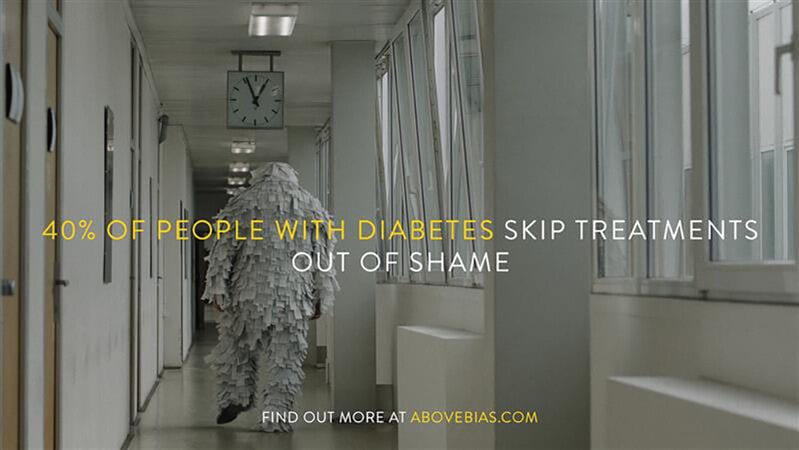
Abbott's new short film, titled 'Above the Bias,' addresses the stigma surrounding diabetes and how misconceptions can negatively impact those living with the condition. A global survey accompanies the film. It reveals that over 2,600 individuals with diabetes face judgment and misinformation, often leading to social and medical consequences. Findings indicate that 40% have skipped or missed medical appointments due to stigma, while nearly a quarter have refrained from sharing their diagnosis out of embarrassment. The study also highlights that food-related comments, such as questioning whether someone should be eating a particular item, trigger stress responses comparable to high-pressure situations.
Abbott's Above the Bias emphasizes the importance of shifting public perception and fostering a more supportive environment. It builds upon ongoing advocacy efforts to promote factual awareness about diabetes while demonstrating how encouragement can positively impact disease management.
Image Credit: Abbott's
What's Driving This Trend
- Stigma-reducing Media
- Films like 'Above the Bias' that confront societal misconceptions about health conditions can reshape public narratives and reduce stigma.
- Empathy-driven Storytelling
- Using storytelling as a tool in healthcare can uncover deep emotional insights and influence societal attitudes toward chronic conditions.
- Data-backed Awareness Campaigns
- Incorporating survey data into awareness initiatives can effectively provide context and credibility, helping to dismantle prevailing myths.
Who This Affects Most
- Healthcare Media
- The intersection of media and healthcare offers a platform for addressing misconceptions and promoting wellness education.
- Patient Advocacy
- Patient advocacy industries can leverage media and storytelling to amplify the voices of those with chronic conditions and reduce stigmatization.
- Mental Health Services
- Mental health industries have an opportunity to address the psychological impacts of stigma and misinformation in chronic disease management.