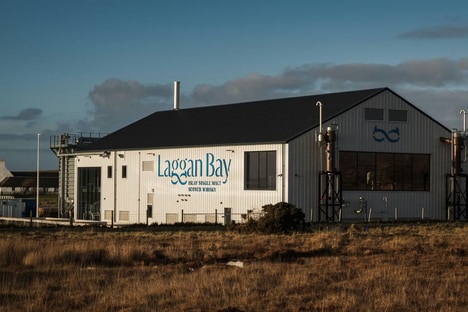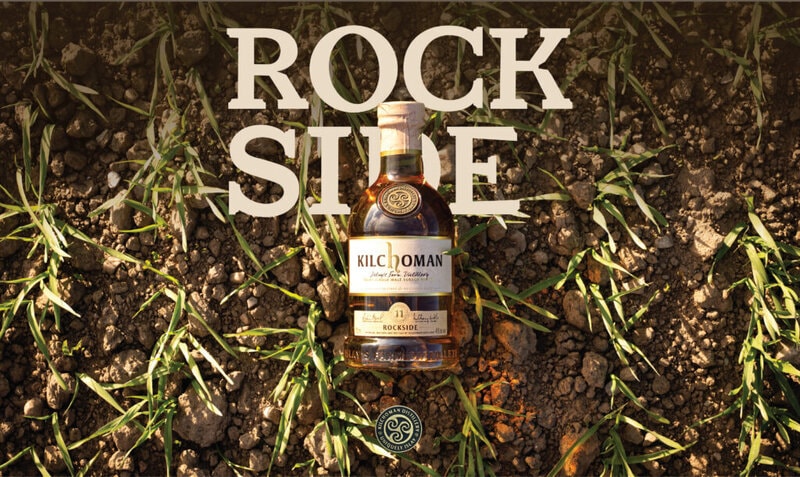
Single-farm whisky is strengthening premium spirits by emphasizing complete control over production and transparent ingredient sourcing. Kilchoman's Rockside 11 Years Old is the distillery's first age-statement release in its core range, produced entirely from barley grown on Rockside Farm and matured in a combination of ex-bourbon and ex-sherry casks. By managing every stage—from growing and malting the barley to distilling, maturing, and bottling on Islay—the distillery highlights the distinct characteristics of its estate-grown ingredients and production process.
For businesses, single-farm whisky offers a compelling way to differentiate premium products through provenance and traceability. Consumers increasingly value authentic production stories and locally sourced ingredients, creating opportunities for brands to command higher price points and strengthen customer loyalty. As demand for transparent craftsmanship continues to grow, estate-controlled production models can help distilleries stand out in an increasingly competitive luxury spirits market.
Image Credit: Kilchoman Distillery
Part of the cluster
Boundary Stretching
Distillers recast whiskey through adjacent cues and cultural ties
Explore the cluster


What's Driving This Trend
- Single-farm Provenance
- Estate-controlled production creates premium differentiation through traceable ingredients, localized storytelling, and stronger consumer trust in product authenticity.
- Transparent Craft Spirits
- Greater visibility into sourcing, malting, distilling, and maturation supports higher-value positioning for brands competing on craftsmanship and origin.
- Terroir-driven Whisky
- Distinct farm-grown grain profiles introduce new avenues for flavor differentiation, limited releases, and collectible luxury spirits.
Who This Affects Most
- Premium Spirits
- Whisky brands can strengthen market position by linking provenance, age statements, and controlled production to elevated pricing power.
- Agriculture
- Farm-based ingredient ownership connects crop quality with finished-product value, expanding the role of growers in premium consumer goods.
- Luxury Goods
- Authentic origin stories and scarce estate-made products align with consumer demand for exclusivity, craftsmanship, and verifiable heritage.