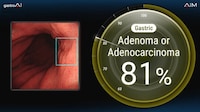

Predictive cancer AI is changing how hospitals approach early disease detection by helping physicians identify pancreatic cancer years before symptoms appear. Mayo Clinic researchers developed an artificial intelligence model that analyzes routine abdominal CT scans and detects subtle biological changes linked to pancreatic cancer, even when scans initially appear normal. In the landmark validation study, the AI system reviewed nearly 2,000 CT scans and identified 73% of prediagnostic cancer cases at a median of 16 months before diagnosis, significantly outperforming specialists reviewing the same scans without AI support.
The findings highlight major opportunities for healthcare providers, imaging companies, and AI developers to expand predictive diagnostics within clinical care. Earlier cancer detection could lower long-term treatment costs, improve survival rates, and increase demand for AI-assisted imaging tools across hospitals and diagnostic centers. The research also strengthens the market for preventive healthcare technologies that support faster, data-driven medical decision-making.
Image Credit: Mayo Clinic
What's Driving This Trend
- Predictive Imaging AI
- A shift toward algorithms that extract predictive signals from routine scans could redefine diagnostic timelines by identifying disease years before clinical onset.
- Early Detection Biomarkers
- Subtle radiographic patterns serving as surrogate biomarkers may enable stratified screening protocols that detect high-risk patients earlier than current methods.
- Clinical Workflow Integration
- Embedding AI outputs directly into radiology reporting and EHR systems promises to alter clinician decision-making by presenting risk assessments at the point of care.
Who This Affects Most
- Radiology Services
- Diagnostic imaging departments stand to transform service offerings by incorporating predictive analytics that increase case detection rates and triage efficiency.
- Medical Imaging Device Makers
- Manufacturers of CT and other scanners could expand value propositions through hardware–software bundles that facilitate high-fidelity data capture for AI analysis.
- Healthcare AI Software Vendors
- Software firms developing validated predictive models may disrupt traditional procurement patterns by shifting hospitals toward subscription-based, outcomes-focused tools.