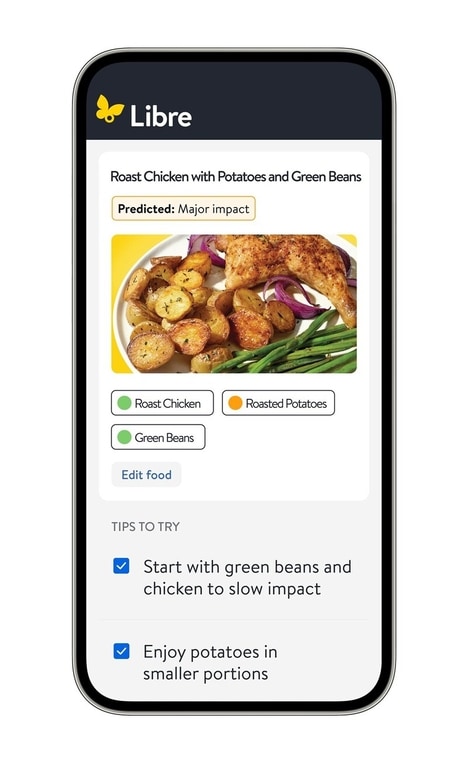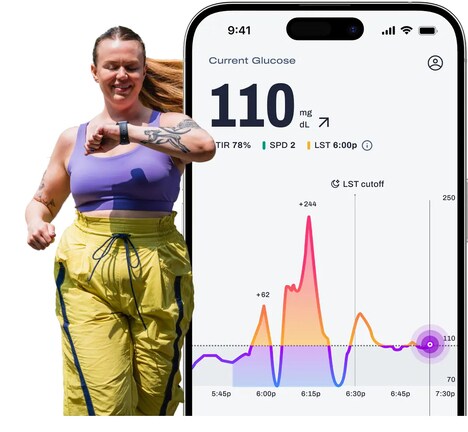

Outcomes-based digital health is creating new pathways for digital tools to demonstrate measurable improvements in chronic care. Dexcom has become the first manufacturer selected for the FDA’s TEMPO pilot, with its Glucose Health Program being evaluated for use alongside the CMS ACCESS Model. The platform combines real-time metabolic and nutritional data with tailored guidance and AI-generated insights, helping patients and healthcare professionals make informed decisions. Participating manufacturers will also collect real-world data to demonstrate how their technologies perform outside controlled clinical environments.
For digital health companies, this approach could create clearer routes to Medicare coverage by connecting reimbursement with measurable patient outcomes rather than individual services. It also gives manufacturers opportunities to generate evidence while their technologies are being used in real care settings. The model could encourage greater investment in AI-enabled monitoring tools while giving healthcare providers more scalable options for managing chronic conditions.
Image Credit: Dexcom
Key Themes Behind This Trend
- Outcomes-based Reimbursement
- Payment models tied to measurable patient improvements create openings for digital health platforms that can prove clinical value beyond traditional fee-for-service care.
- Real-world Evidence Platforms
- Continuous data collection in everyday care settings strengthens the case for connected devices that demonstrate safety, adherence, and effectiveness outside controlled trials.
- AI-enabled Chronic Monitoring
- Intelligent guidance systems that combine biometric, nutritional, and behavioral inputs represent a growing frontier for scalable chronic disease management.
Where This Applies
- Digital Health
- Companies offering software-driven care tools are positioned to benefit from reimbursement pathways that reward verified outcomes and longitudinal patient engagement.
- Medical Devices
- Sensor manufacturers and connected device makers can differentiate through integrated data ecosystems that support evidence generation and clinical decision-making.
- Healthcare Insurance
- Payers and public programs gain new mechanisms for evaluating technologies based on population-level impact, cost reduction, and improved chronic care performance.