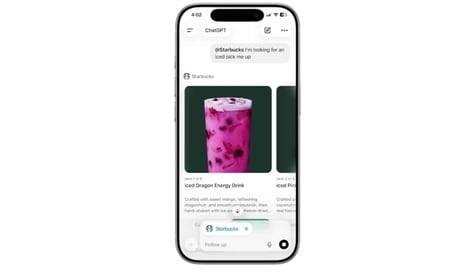
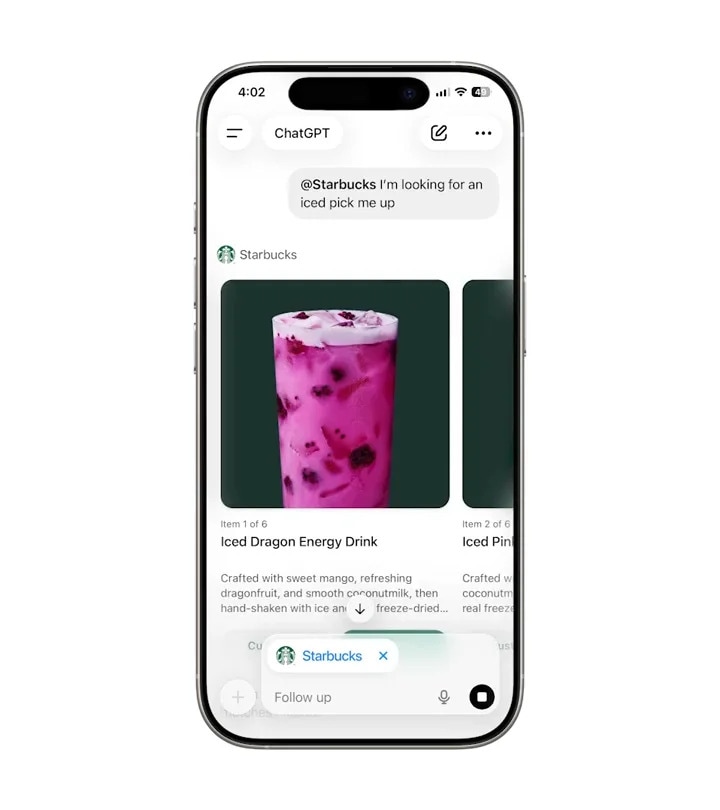
Mood-based AI product discovery is reshaping how consumers choose what to buy by shifting decision-making from menus to emotions and context. Starbucks’ integration with ChatGPT reflects this change, allowing users to describe a feeling, moment, or even upload an image to receive tailored drink suggestions. Instead of browsing static options, customers engage in a more natural, conversational process that aligns with how people think and express preferences.
For businesses, this signals a move toward more intuitive, personalized discovery tools that reduce friction and improve engagement. Brands can better capture intent by interpreting mood and context rather than relying solely on search keywords or categories. This also opens new opportunities to increase upselling and experimentation, as consumers may be guided toward products they wouldn’t have considered otherwise. As AI becomes more embedded in everyday interactions, companies that adopt emotion-driven recommendation systems may strengthen customer loyalty and stand out in increasingly competitive markets.
Image Credit: Starbucks
What Makes This Trend Stand Out
- Mood-based Recommendations
- An AI-driven shift toward interpreting emotional cues and context enables product suggestions that align with transient consumer states, creating paths for higher conversion through relevance and experimentation.
- Conversational Discovery
- Natural language interactions replace menu browsing with dialogue-centered selection processes, offering opportunities for more intuitive onboarding and deeper personalization during the buyer journey.
- Image-to-recommendation
- Visual inputs such as photos are translated into contextual product matches, presenting novel possibilities for bridging visual inspiration with purchasable items and expanding non-textual search capabilities.
Sectors Adopting This
- Retail Coffee & Beverage
- Emotion-aware ordering interfaces introduce the potential for dynamic menus and personalized upsells that respond to a customer’s mood or moment, shifting in-store and mobile experiences toward higher engagement.
- E-commerce Marketplaces
- Marketplaces can leverage mood and contextual signals to surface unexpected products and bundles, altering discovery funnels and increasing cross-sell opportunities beyond category-based navigation.
- Digital Advertising and Martech
- Ad targeting and campaign personalization informed by sentiment and situational context enable more relevant creative delivery and measurement frameworks that tie emotional resonance to conversion metrics.