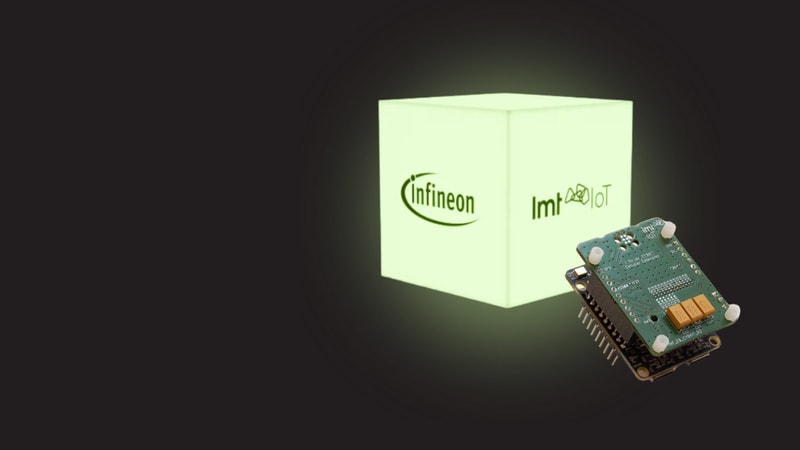
Mentorship-backed IoT development is helping startups bring connected products to market faster by combining hardware access, technical expertise, and connectivity infrastructure within a single support program. Through a partnership between LMT IoT and Infineon, participating companies receive development kits, engineering guidance, and cellular IoT tools designed to simplify the creation of edge AI-powered devices. The initiative focuses on reducing the technical barriers associated with hardware development, connectivity integration, and real-world testing.
This approach reflects a broader shift toward ecosystem-based product development, where technology providers play a more active role in helping startups move from prototypes to deployable solutions. Building connected devices often requires expertise across multiple disciplines, including AI, firmware, cloud connectivity, and power management. By providing direct mentorship and resources, companies can shorten development cycles and reduce technical risk. As demand for smart agriculture, industrial monitoring, asset tracking, and environmental sensing solutions continues to grow, collaborative development programs may become increasingly important for accelerating the commercialization of connected technologies.
Image Credit: LMT IoT
What Makes This Trend Stand Out
- Ecosystem-based Product Development
- An integrated network of component makers, connectivity providers, and mentors enabling faster transition from prototype to deployed connected products through shared resources and standards.
- Mentorship-integrated Hardware Accelerators
- This model pairs technical guidance with development kits and engineering support to lower hardware and firmware barriers for early-stage device creators.
- Cellular Edge AI Kits
- Companies are combining cellular IoT tools with edge AI-capable modules to simplify real-world testing and enable low-latency, autonomous device functionality.
Sectors Adopting This
- Smart Agriculture
- Precision sensing and connected actuator platforms are positioned to transform crop management through localized analytics and networked environmental monitoring.
- Industrial Monitoring
- Predictive maintenance and condition monitoring solutions that fuse edge inference with reliable cellular connectivity are redefining uptime and asset lifecycle management.
- Asset Tracking and Logistics
- Real-time location and status tracking using low-power cellular devices promises granular supply chain visibility and automated exception detection.