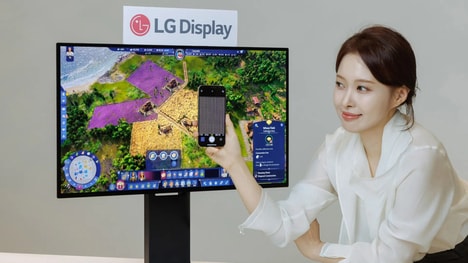
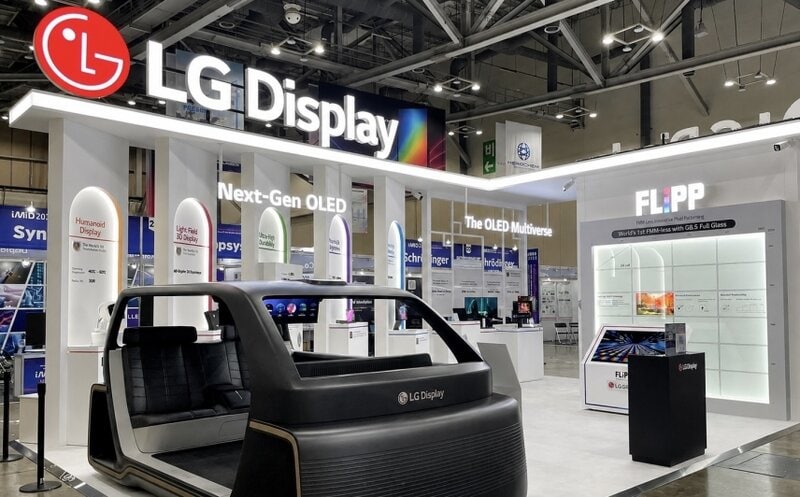
Mask-free OLED manufacturing is advancing display production as LG Display introduces FLiPP, a pixel-patterning method that eliminates conventional fine metal masks. The process sequentially coats RGB pixels and uses photolithography with precision UV light to remove unnecessary material. Compared with traditional FMM production, FLiPP can increase brightness by 1.6 times, extend panel lifespan by 2.4 times and reduce power consumption by 13%. It also supports OLED production across a wide range of screen sizes and resolutions, from wearables to televisions.
From a business perspective, eliminating expensive metal masks can reduce production costs while giving manufacturers greater flexibility when changing panel specifications. FLiPP also improves mother glass utilization by up to 64% for comparable laptop panels, potentially reducing material waste and increasing output. For LG Display, these efficiencies could strengthen its competitiveness across premium OLED markets while supporting expansion into tablets, monitors, VR and AR devices.
Image Credit: LG Display
Why This Trend Is Growing
- Mask-free Display Fabrication
- Eliminating fine metal masks creates room for lower-cost, more adaptable OLED production systems that can shift across screen sizes and specifications with less tooling complexity.
- Photolithographic Pixel Patterning
- Precision UV-based material removal introduces a pathway to brighter, longer-lasting panels with improved manufacturing control for high-resolution consumer and enterprise displays.
- Flexible OLED Scaling
- Broader compatibility across wearables, laptops, televisions and immersive devices signals new potential for standardized production platforms serving fragmented premium display markets.
Industries Being Reshaped
- Display Manufacturing
- Cost reductions, improved mother glass utilization and fewer mask-related constraints may reshape competitive dynamics among OLED panel producers.
- Consumer Electronics
- More efficient OLED panels with longer lifespans can support differentiated product designs across smartphones, tablets, monitors and televisions.
- Extended Reality
- Higher brightness, lower power consumption and scalable resolution capabilities are well aligned with the performance demands of VR and AR headsets.