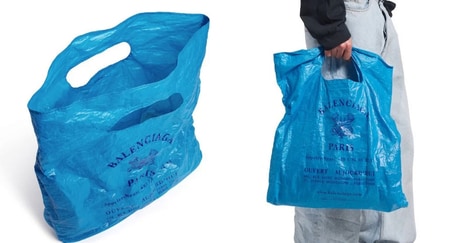
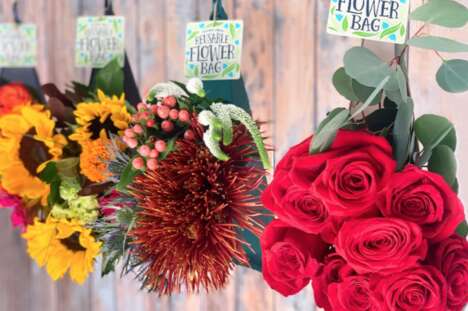
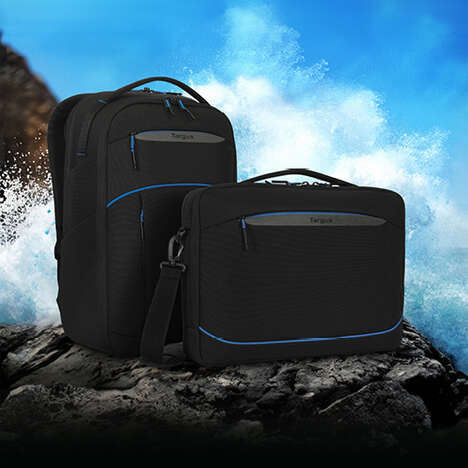
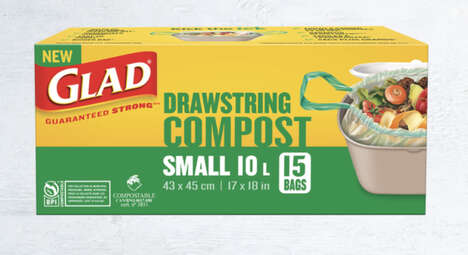
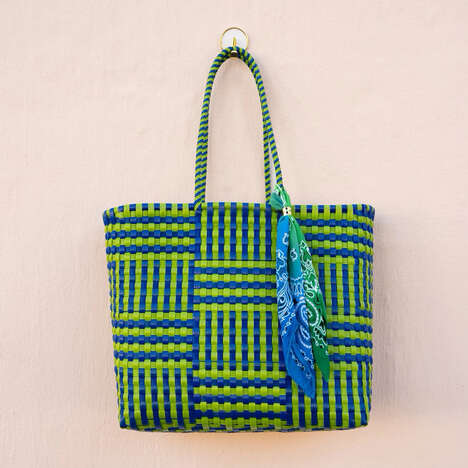
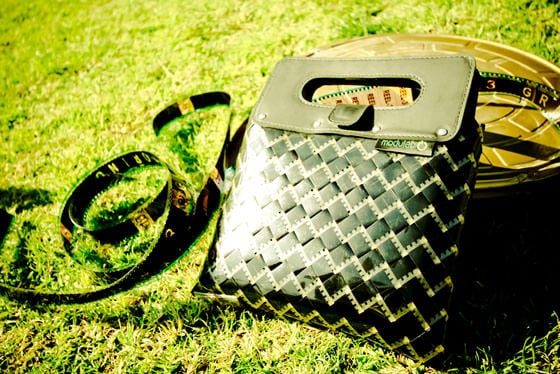
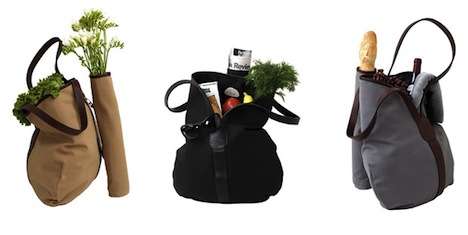
As the green movement gains further momentum, the majority of people are switching to reusable eco-bags in place of the traditional plastic grocery bags. Even top designers are giving away free eco-bags in order to jump on the free-publicity bandwagon (just type eco-bag into your search box).
Unfortunately though, things are getting out of control. This eco-bag trend is reducing plastic bag clutter, only to replace it with eco-bag clutter. On average, and this is just an estimate, most households now probably have over a dozen eco-bags that have been collected over the past year or two. The problem is, the pile keeps on growing, yet there is only so much grocery-shopping households can do.
So, as much as it is great to reduce the amount of plastic bags going into our landfills, eco-bags are cluttering household drawers and closets. One could argue that instead of cluttering the landfills, eco-bags are simply spreading the clutter around into homes.
Here is a great trend idea: An eco-bag organizer of some sort!
Why This Trend Is Growing
- Eco-bag Organizers
- Opportunity for creating innovative eco-bag organizers to help households manage their growing collection.
- Eco-bag Exchanges
- Potential for platforms or events that facilitate the exchange or donation of eco-bags to minimize clutter.
- Sustainable Bag Materials
- Growing demand for eco-bags made from sustainable and biodegradable materials, offering opportunities for eco-friendly manufacturers.
Industries Being Reshaped
- Home Organization
- Home organization industry can develop eco-bag storage solutions and products to tackle the clutter issue.
- Sharing Economy
- Sharing economy platforms focusing on eco-bag exchanges or donations can create disruptive solutions to address the clutter problem.
- Sustainable Packaging
- Sustainable packaging industry can capitalize on the demand for eco-bags made from sustainable materials.