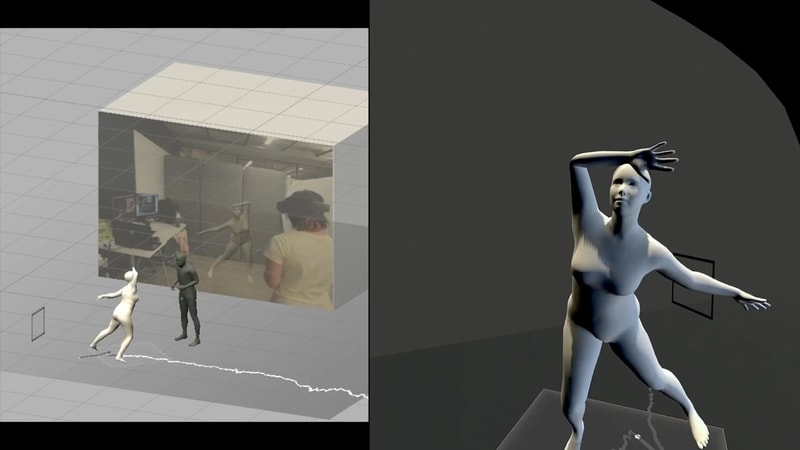
The DanXeReflect platform introduces a new approach to choreography review by transforming standard dance footage into interactive 3D environments. Developed by researchers at Cornell Tech, the system allows dancers to wear VR headsets and analyze movements through digital avatars that can recreate poses, compare sequences and display body-specific annotations. Unlike traditional rehearsal recordings, the platform creates a more immersive review process that mirrors real-time studio collaboration and feedback.
This type of XR dance training platform could influence the future of performance education, sports coaching and physical rehabilitation by making movement analysis more interactive and accessible. Creative industries may increasingly adopt spatial computing tools that support remote collaboration, skill refinement and digital archiving. As immersive technology becomes more practical for professional training environments, platforms like DanXeReflect may encourage institutions and brands to invest in experiential learning systems that blend physical performance with virtual feedback experiences.
Image Credit: Hyunju Kim/Provided/Cornell
What Makes This Trend Stand Out
- Xr-powered Movement Analysis
- Immersive XR environments enable granular 3D tracking and playback that could upend traditional video-based technique review by providing spatially accurate motion context.
- Avatar-based Feedback Loops
- Digital avatars that replicate individual bodies and poses create opportunities for personalized comparative analytics and persistent virtual rehearsal partners.
- Spatial Collaboration for Training
- Shared virtual studios allow geographically dispersed teams to engage in synchronized review sessions, transforming remote critique into an interactive, presence-driven experience.
Sectors Adopting This
- Performing Arts Education
- Conservatories and schools could see curriculum shifts as immersive tools offer new modalities for technique assessment, archiving performances, and scalable instructor feedback.
- Sports Coaching and Biomechanics
- Coaches and sports scientists may access higher-fidelity movement diagnostics through avatar-driven comparisons, enabling more precise training adjustments and injury risk modeling.
- Physical Rehabilitation and Therapy
- Rehabilitation clinics might integrate XR avatars to provide patients with visualized progress markers and tailored movement cues that support remote monitoring and recovery plans.