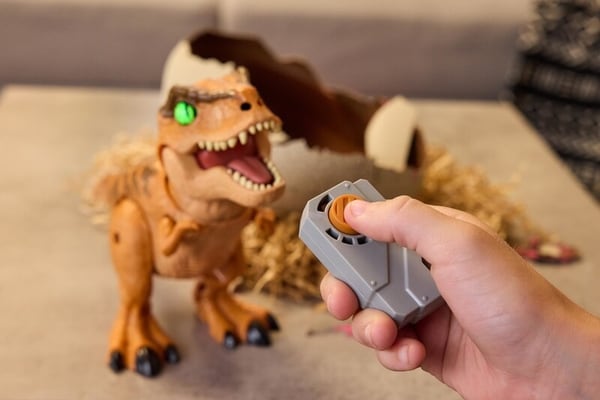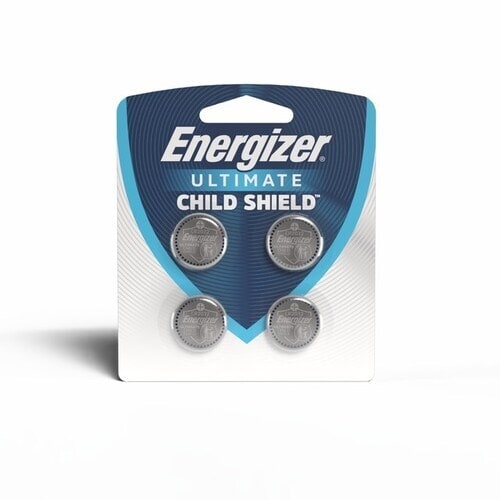
Child-safe battery technology is advancing as consumer electronics brands introduce built-in protective features designed to reduce injury risks in everyday household products. Energizer recently launched its Ultimate Child Shield coin lithium batteries, which were engineered to eliminate ingestion burns if swallowed. The batteries feature multiple safety-focused elements, including Color Alert technology that turns the mouth blue upon contact with saliva, a non-toxic bitter coating to discourage swallowing and child-resistant packaging. The product was developed in response to the growing number of coin battery ingestion incidents linked to household devices such as remotes, toys and tracking tags.
The release reflects increasing demand for preventative safety systems embedded directly into consumer products rather than relying solely on warnings or external protections. Safety-engineered batteries could encourage broader adoption of child-focused product standards across electronics and household goods industries. The technology may also influence future regulations and product design expectations as brands compete on safety-driven consumer trust and family-oriented functionality.
Image Credit: Energizer
Why This Trend Is Growing
- Embedded Safety Features
- Products increasingly integrate safety systems at the component level, creating opportunities for new product architectures that prioritize injury prevention over add-on safeguards.
- Sensory Alert Coatings
- Color-changing and taste-altering surface treatments that signal contact or deter ingestion open possibilities for multifunctional materials that communicate hazards directly to users and caregivers.
- Child-resistant Packaging Standardization
- Widespread adoption of standardized, tamper-evident packaging for small hazardous items could shift supply chains toward modular packaging solutions that balance usability and safety compliance.
Industries Being Reshaped
- Consumer Electronics
- Miniaturized devices with accessible power sources may evolve to include integrated safety subsystems, influencing device design, certification processes, and brand differentiation on safety.
- Toy Manufacturing
- Toys and children's products that incorporate non-toxic, deterrent coatings or safer power formats could redefine material selection and end-of-life handling within the industry.
- Home Healthcare Devices
- At-home medical devices and monitoring tags that use small batteries present an avenue for safety-first component redesigns that mitigate pediatric ingestion risks while maintaining device function.